Gated vs Nongated Catalina Foothills Communities
July 23, 2026
July 23, 2026
Wondering whether a gated community is the right fit in Catalina Foothills? You are not alone. Many buyers start with the gate as the headline feature, but once you look closer, the real decision usually comes down to access control, HOA structure, amenities, and how you want daily life to feel. Let’s break it down.
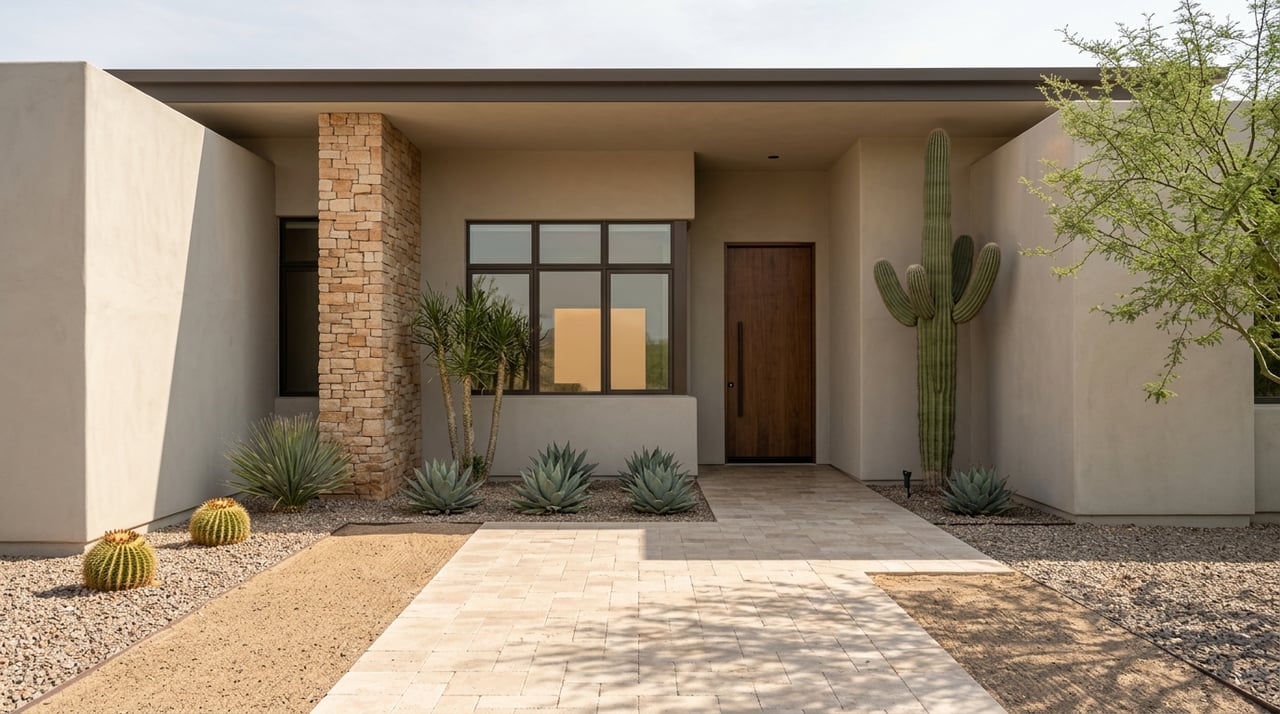
Catalina Foothills is not one uniform neighborhood with one set of rules. The area is a mix of low- and very low-density residential communities, along with commercial and resort uses, all shaped by scenic desert land, open space, washes, wildlife habitat, trails, and major routes.
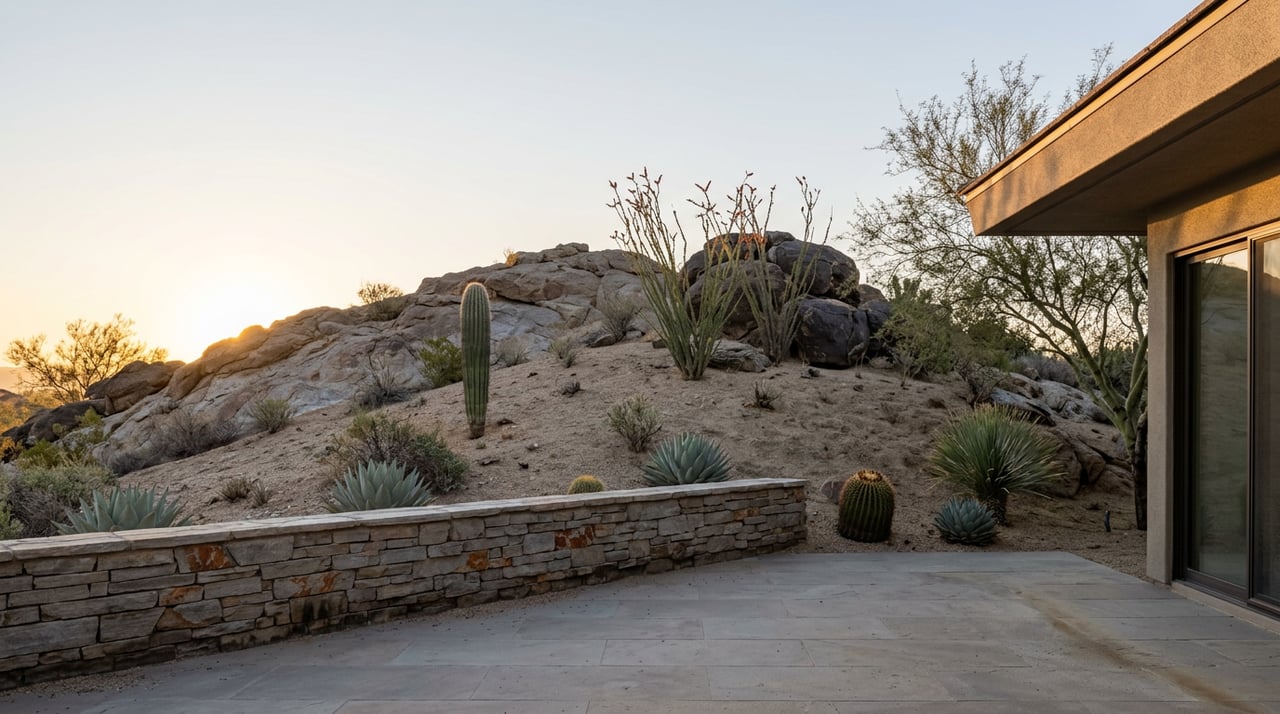
That larger setting matters because many Foothills neighborhoods already feel private due to lot size, setbacks, landscaping, and the natural desert buffer. In other words, a gate can change access, but it does not create the entire living experience on its own.
The area also has layered governance. The Catalina Foothills Association handles deed restrictions for some areas, while other sections have their own HOAs. Master-planned communities can add sub-associations, architectural review, amenity rules, and guest-access systems on top of that.
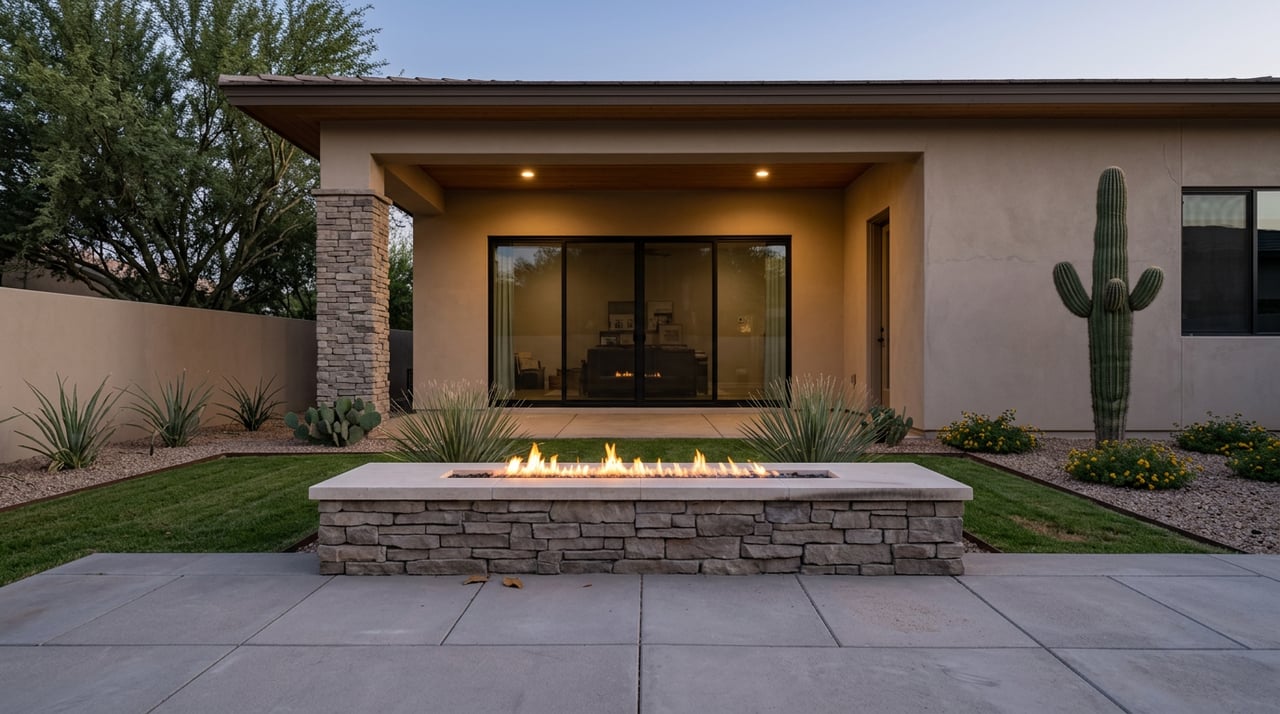
In Catalina Foothills, gated communities often lean toward a resort or club-adjacent lifestyle. That can mean more formal entry systems, shared amenities, and a stronger sense of enclosure.
Ventana Canyon is one clear example. It is a private master-planned community of about 1,100 acres with roughly 700 homes, mostly in gated areas, and its HOA notes wildlife, Sonoran Desert landscaping, hiking-trail access, golf, tennis, water sports, and a 24/7 gatehouse.
Ventana Canyon also shows how much a community can manage beyond the entrance. Its HOA states that it manages roads, sewer, trash pickup, covenant compliance, and architectural control, and it notes there are homes both inside and outside the main gate.
La Paloma offers a slightly different version of gated living. It has 856 homes across ten sub-associations, and its gate access system operates throughout the community with guest pre-authorization required.
La Paloma’s HOA says the gates are designed primarily to limit and manage vehicular access. It also makes an important practical point: gate attendants are not security personnel, and nearby hotel, club, and surrounding uses mean buyers should understand what the gate does and does not do.
Finisterra is another gated option with a different housing mix. It includes 190 lots with estate homes, patio homes, and townhomes, along with a 24/7 manned gatehouse, clubhouse, pool, spa, tennis, and pickleball.
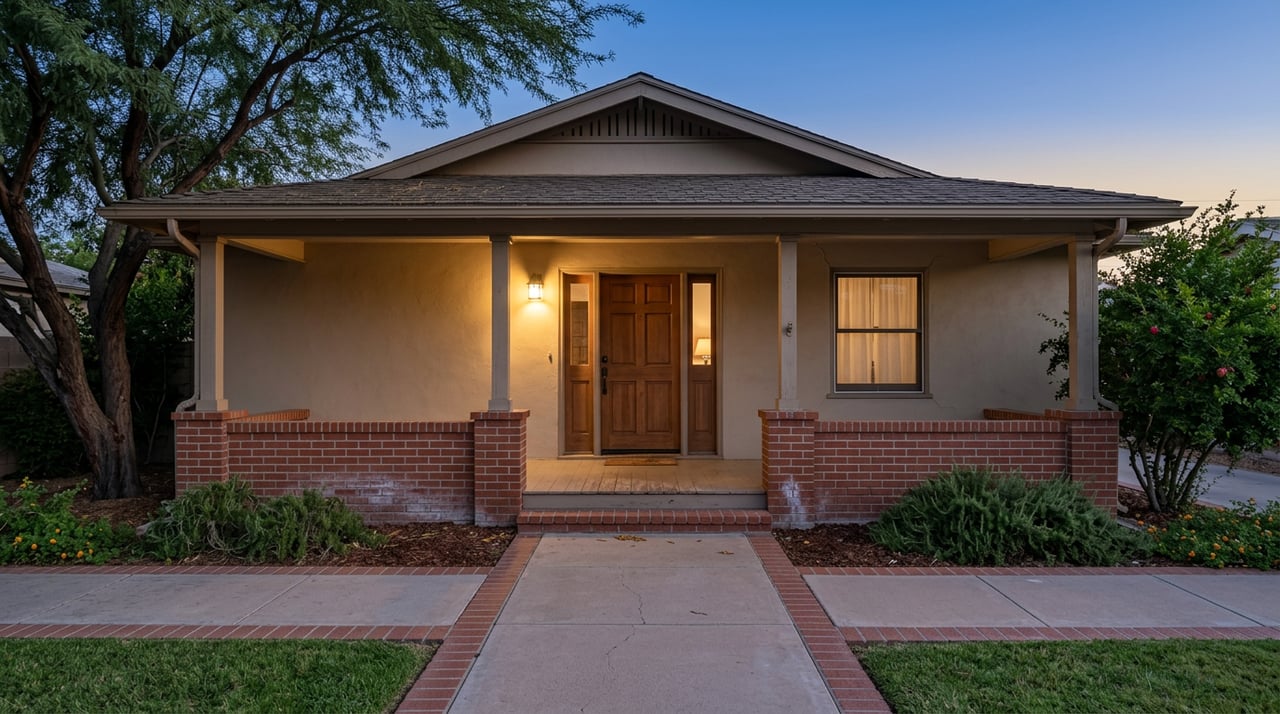
A non-gated community in Catalina Foothills is not the same as an unmanaged community. In fact, some open neighborhoods have detailed architectural and use standards that shape the look and feel just as much as a gate would.
The Catalina Foothills Association’s standards focus on setbacks, building heights, colors, architectural styles, land use, and the protection of natural plants and habitat. Its stated goal is a harmonious desert-compatible approach rather than identical homes, and its history notes that the area was once treated as a no-fence neighborhood.
Catalina Pueblo is a useful example of a non-gated or less-controlled-access setting. Its HOA materials list controlled access gate as “N,” yet the community still has parking restrictions, vehicle limits, and HOA approval requirements.
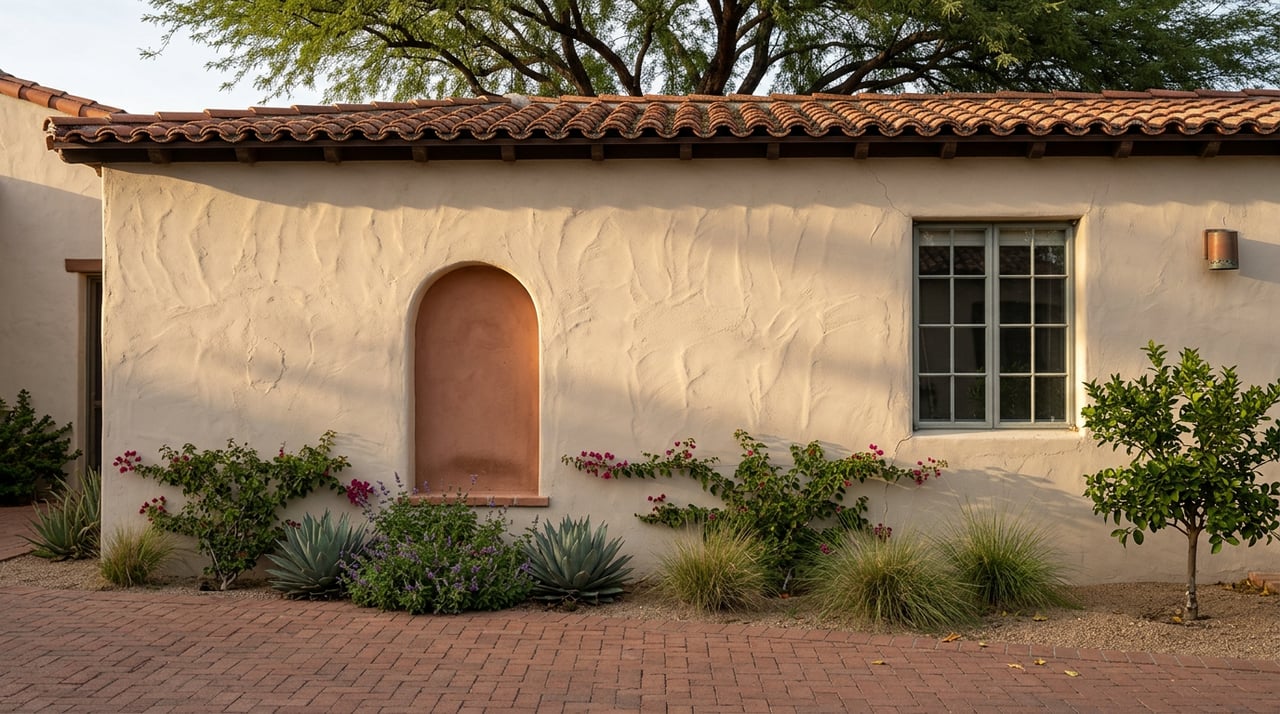
Catalina Pueblo includes 108 townhomes, three pools, walking paths, and a distinct architectural identity. The community describes the homes as intentionally varied rather than repetitive, and its newsletter highlights mid-century burnt adobe, stucco, exposed rough-sawn timber, and Spanish Colonial ornamentation.
It also shows that open access does not mean loose oversight. The HOA says its vehicle rules are meant to prevent an overload of motor vehicles on streets and properties.
One of the biggest misconceptions buyers have is that privacy only comes from a gate. In Catalina Foothills, privacy often comes from the land itself.
Because much of the area is low density, you may find that privacy is created through larger lots, setbacks, desert vegetation, and home placement. That can produce a quieter, more open feel even without a gatehouse or guest check-in process.
If you like the idea of architectural individuality and a more natural desert setting, a non-gated community may feel more comfortable. If you want more controlled entry patterns and a stronger sense of managed access, a gated community may be the better match.
If you are comparing gated and non-gated communities, the smartest move is to look beyond the front entrance. Two neighborhoods can both appear well-kept and established, yet have very different rules on parking, landscaping, architecture, and guest access.
Arizona law gives buyers some helpful ways to review what they are getting into. The Arizona Department of Real Estate advises buyers to review CC&Rs carefully because community rules may restrict things like landscaping, RV parking, play equipment, satellite antennas, and common-area use.
For resale transactions, Arizona law requires the association or owner to provide a resale disclosure packet within ten days after notice of a pending sale. That packet includes the bylaws, declaration, and a dated statement with key contact, assessment, and transfer-related information.
Arizona’s Planned Communities Act also requires association meetings to be open to members, with notice and an opportunity to speak. It further requires records to be reasonably available for member review, and associations generally have ten business days to provide requested records or copies to a member.
The right choice often becomes clearer when you think about your normal routine. Try asking yourself these practical questions:
These questions matter because access control affects day-to-day convenience as much as it affects first impressions. A gate can add structure to arrivals and visitors, while an open community may feel easier to move through.
In Catalina Foothills, the difference is not just about whether a road is busy. It is often about how the neighborhood manages movement once you are inside or approaching it.
La Paloma describes its gates as a tool to limit and manage vehicular access. Catalina Pueblo, by contrast, focuses some of its rules on preventing too many motor vehicles on streets and properties.
That is a helpful comparison because it shows two different philosophies. One uses controlled entry to shape traffic flow, while the other uses internal rules to manage how the community functions without a gate.
If you are drawn to controlled access, guest screening, and a resort-like amenity package, start by exploring gated Foothills communities. These neighborhoods often appeal to buyers who want a more structured arrival experience and a stronger layer of managed access.
If you are more interested in open desert character, varied architecture, and privacy created through site planning rather than an entry gate, non-gated communities may be a better fit. In Catalina Foothills, both paths can still involve meaningful HOA standards and a polished neighborhood feel.
The key is to compare the full package. The entrance matters, but so do CC&Rs, amenities, vehicle rules, architectural review, and how the neighborhood feels on an ordinary Tuesday.
If you want help comparing Catalina Foothills communities in a practical, neighborhood-specific way, Net Properties Real Estate can help you sort through the tradeoffs and find the right fit for your goals.
Stay up to date on the latest real estate trends.