The Number That Changes Every Sam Hughes Saturday This Fall
August 27, 2026
August 27, 2026
"Season ticket sales are up 20 percent this year." Arizona athletic director Desireé Reed-Francois said that line to a Tucson television station in mid-August, and it was framed as good news for the football program. For anyone who owns a home between Speedway and Broadway, it reads differently. It means the crowd that shows up two blocks from your front door this fall isn't the same crowd you've gotten used to. It's bigger, earlier in the season, and locked in before a single game is played.
Sam Hughes has lived next to University of Arizona football for a century. The stadium sits close enough that residents can hear the crowd from their porches on a Saturday night. What's different this year isn't the neighborhood. It's the math behind who shows up, and when.
If you haven't been paying attention to Tucson sports news, the building you've always called Arizona Stadium now goes by Casino Del Sol Stadium. The University of Arizona signed a 20-year naming rights agreement with the Pascua Yaqui Tribe's casino enterprise worth more than $60 million, the largest deal of its kind in Big 12 history. The name change took effect last fall, and Arizona actually debuted under the new name with a win over Baylor in November.
That's not just trivia for a neighborhood guide. It matters for anyone giving directions to a first-time visitor, anyone plugging an address into a map app during a home game, and anyone trying to figure out why the signage around campus suddenly looks different. The stadium is the same 50,782-seat bowl it's always been. The name on it, and increasingly the money behind it, is not.
Here's the part that should reorganize how you think about this football season if you live in Sam Hughes: attendance at Casino Del Sol Stadium is capped at just over 50,000 seats, but demand for those seats just jumped 20 percent. That gap between fixed capacity and rising demand is the whole story.
In past seasons, the September opener against a non-conference opponent was usually the quietest Saturday of the year. Fans held their energy, and their cars, for Homecoming or the Territorial Cup. With season ticket sales up this sharply, more of those seats are already spoken for before the schedule even starts. That reshapes the pattern residents have relied on for years. The lighter early Saturdays that used to give the neighborhood a slow start to the season are less likely to stay light. A fuller house at the September 5 opener against Northern Arizona means the parking crunch that used to build gradually across the season could arrive in week one instead.
The stadium itself is also physically different in ways that ripple outward. Arizona flipped its bench assignment for 2026, moving the home sideline to the shaded west side and putting visiting teams in front of the Zona Zoo student section. The change came directly out of a road loss at Kansas State in 2024, when Arizona's own coaching staff experienced what it's like to stand across from a rowdy student section. The athletic department also brought in a new sound system from the same vendor that has handled World Cup-level venues, along with upgraded lighting built for night games. None of that changes where you park. It does change how far the noise travels on a Saturday night, and how many of Arizona's seven home games this fall are night games with that new lighting turned on.
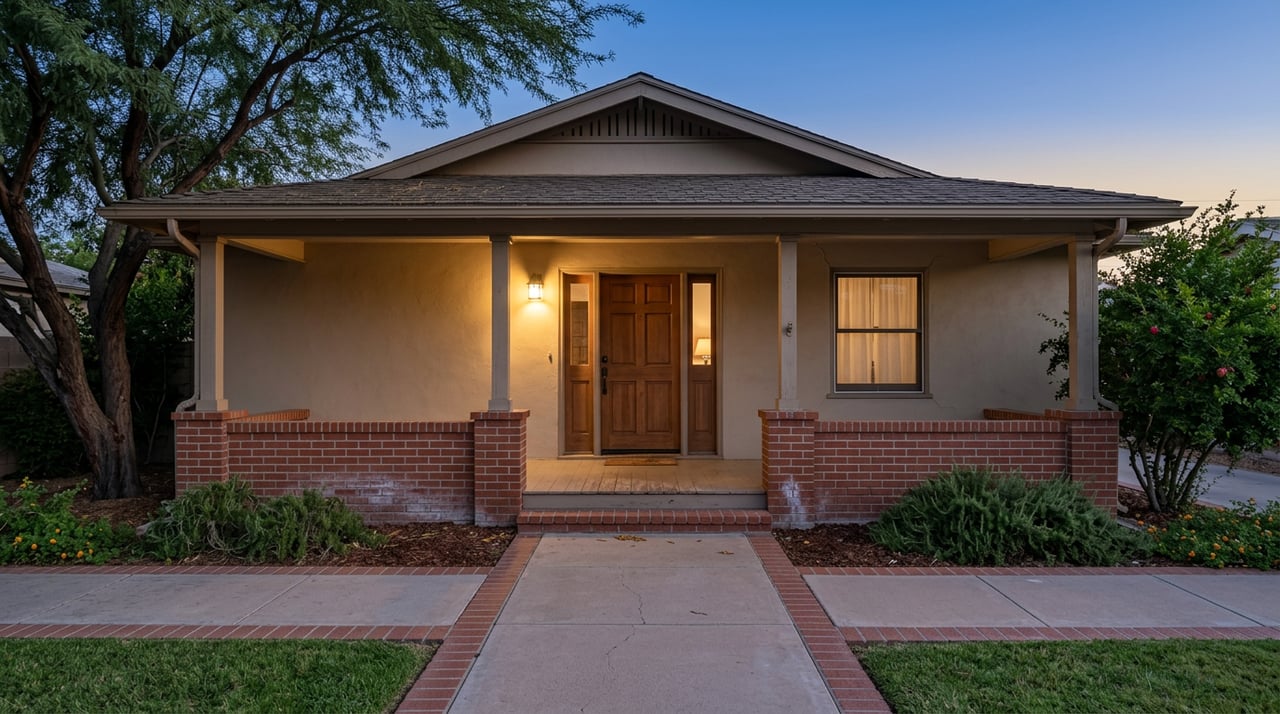
Sam Hughes is bordered by Speedway on the north, Broadway on the south, Campbell on the west, and Country Club on the east, a one-square-mile grid of narrow residential streets built decades before anyone anticipated 50,000 people converging nearby on a Saturday. The city addressed the predictable overflow years ago with the Neighborhood Parking Program, which lets residents of neighborhoods like Sam Hughes get permits for their own street and passes for guests, rather than competing for curb space with campus visitors on game day.
The system works, but it comes with its own friction. One local rule requires drivers to leave a five-foot gap between a parked car and the nearest driveway, a distance that's easy to misjudge and has led to real disputes over exactly how that gap gets measured. Residents have pointed out that city police and the parking enforcement division haven't always agreed on the measurement method, which means a car parked what looks like a reasonable distance from a driveway can still draw a citation. On a normal week, that's a minor annoyance. On a Saturday when 20 percent more fans are circling the same handful of blocks looking for a spot, it's the kind of detail worth knowing before it costs someone a ticket outside their own house.
Arizona's home schedule gives Sam Hughes residents seven specific dates to plan around, and they are not evenly weighted. Some carry themes that draw extra crowds beyond the usual season ticket base.
That Friday night TCU game is easy to miss if you're only tracking Saturdays. It's the one date on the list that breaks the neighborhood's usual weekend rhythm, and it's worth putting on a calendar separately from the rest.
The Village at Sam Hughes, at the corner of Sixth Street and Tucson Boulevard, has quietly become the neighborhood's informal staging ground for game days. Redbird Scratch Kitchen + Bar opened its second location there, built around scratch-made comfort food and a sports bar energy that fits a Saturday afternoon crowd catching kickoff. Next door, Sonoran House runs on two different clocks: a quiet coffee shop in the morning hours, then a full bar and kitchen from late morning on, which lines up well with an early kickoff if you want breakfast and a pregame drink without changing addresses. A few blocks over at Borderlands, the James Beard-nominated Barista del Barrio opened a second location as a permanent pop-up inside the space, serving coffee and breakfast burritos on a schedule that runs Wednesday through Sunday mornings, right up until Borderlands itself opens for the afternoon.
None of these spots exist because of football. They exist because Sam Hughes has enough walkable density to support them on any given day. But on a Saturday with a full stadium a short walk or bike ride away, they double as the last stop before the crowd thins out and the neighborhood empties toward campus.
The geography of Sam Hughes hasn't changed. The permit system hasn't changed. What's changed is the number behind it: more season ticket holders locked in before the season starts, a stadium with a new name and a louder sound system, and a schedule with one game moved to a weeknight. None of that requires a different approach to living here. It just means the planning that used to matter for two or three marquee Saturdays a year now matters for closer to seven.
If you're already living the Sam Hughes rhythm and just want a clearer read on how this particular season lines up against the ones before it, that's the kind of neighborhood-level detail worth having before the calendar fills in around you. Net Properties has spent years tracking exactly this kind of local pattern across Tucson's older neighborhoods. If a football weekend ever turns into a bigger conversation about your home or your street, reach out and Request a Call Back.
Stay up to date on the latest real estate trends.