Is your Catalina Foothills home worth more than an online estimate shows? With views, elevation changes, and custom features, many properties here do not fit a simple price-per-square-foot model. You want a clear number you can trust and a sale plan that meets your timeline. In this guide, you’ll learn how local valuation really works, what drives price, and how to get a same-day strategy call tailored to your property. Let’s dive in.
Why pricing here is unique
Catalina Foothills spans hillside and valley pockets along the Santa Catalina Mountains. Two homes a few blocks apart can have very different views, lot slopes, and privacy. These differences drive real value.
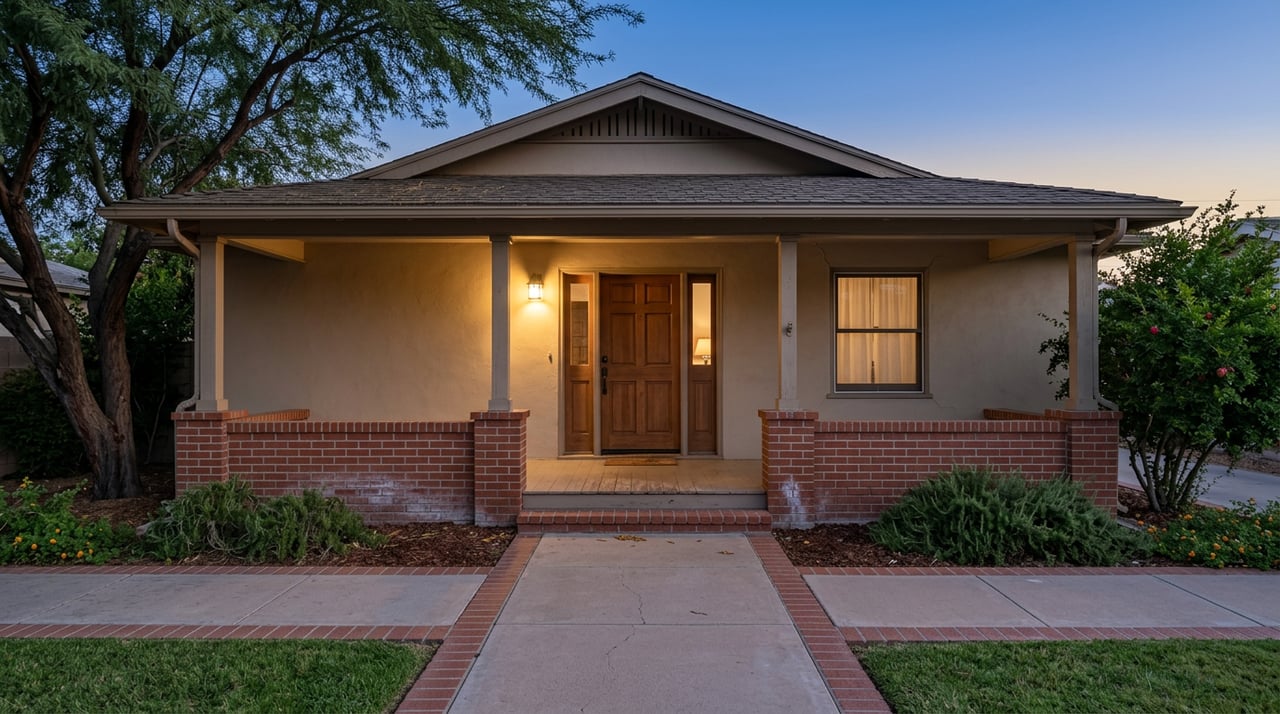
You also see a wide mix of homes: custom estates, mid-century ranch, golf-course communities, and townhomes. Construction type and remodel quality vary. This is why a precise valuation depends on micro-location and carefully chosen comparables.
Seasonal demand also matters. Winter and early spring often bring more out-of-area buyers. Local momentum, including inventory and days on market, can shift quickly, so you need current, neighborhood-level guidance.
Key value drivers
Getting your price right starts with the features buyers pay for in the Foothills. The most common drivers include:
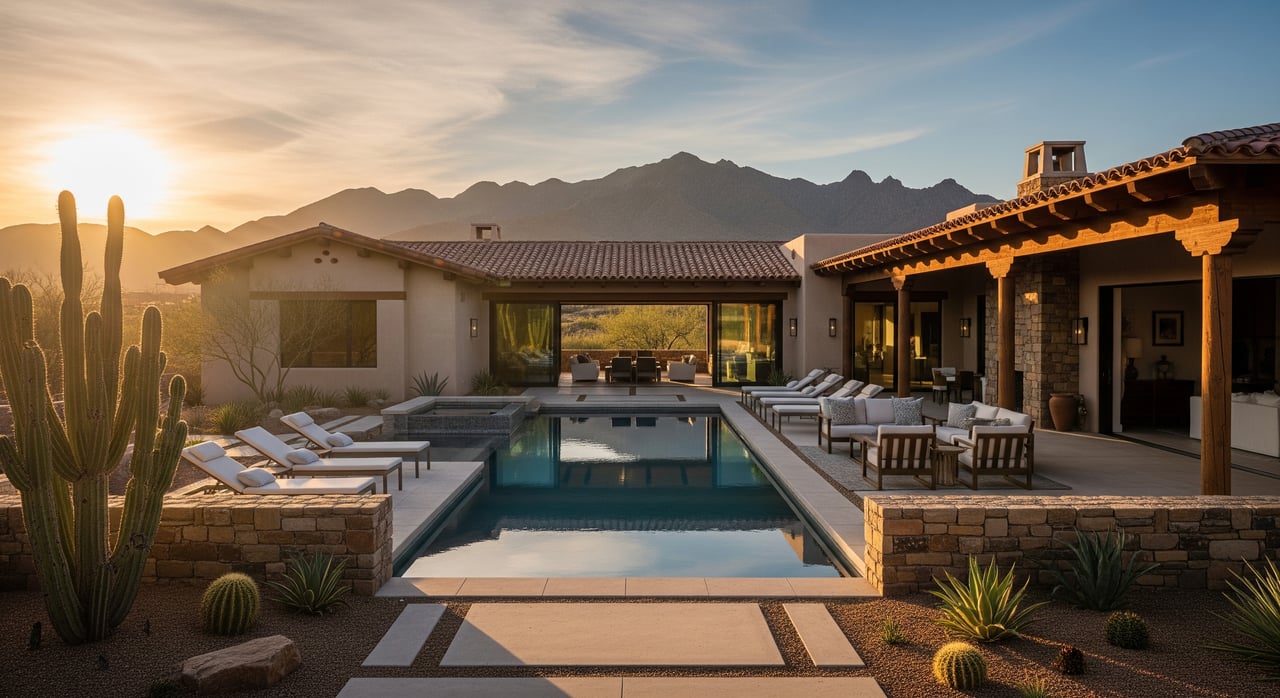
- Views and exposure. Full mountain or city panoramas can command a premium. The degree and direction of the view matter.
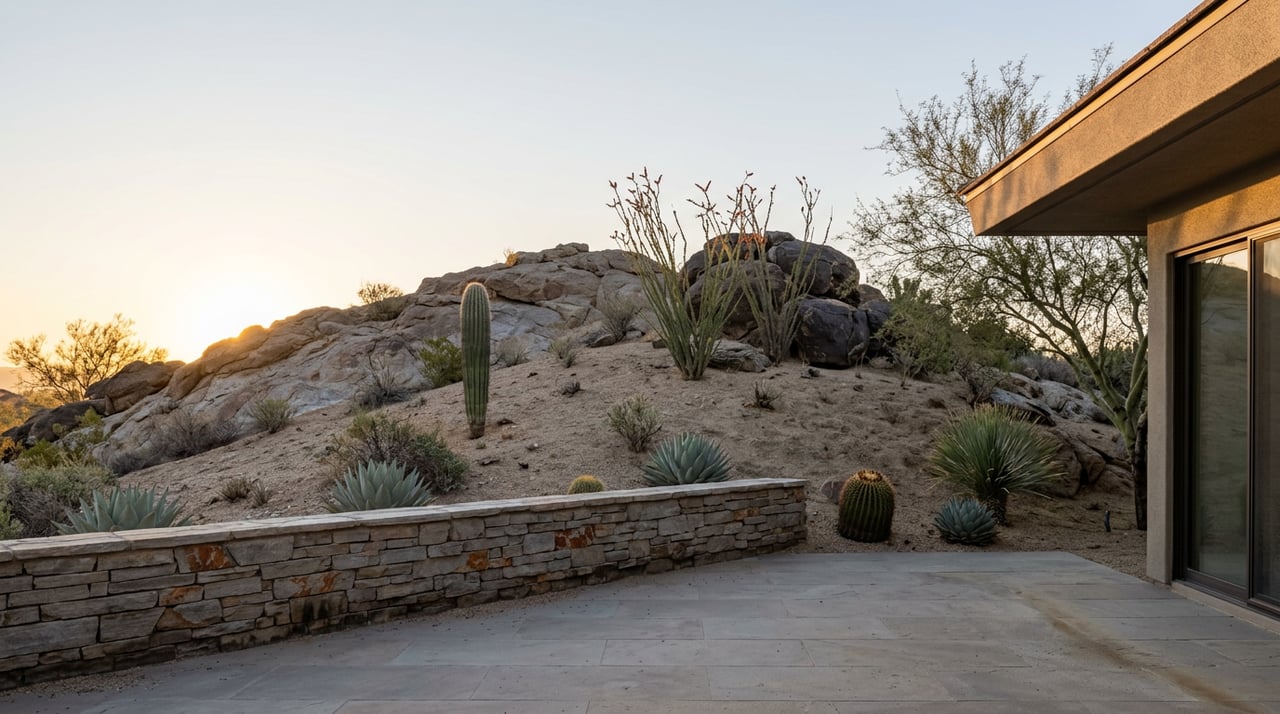
- Lot characteristics. Usable area, slope, orientation, and privacy influence value. Flat, usable pads often price higher than steep or irregular lots.
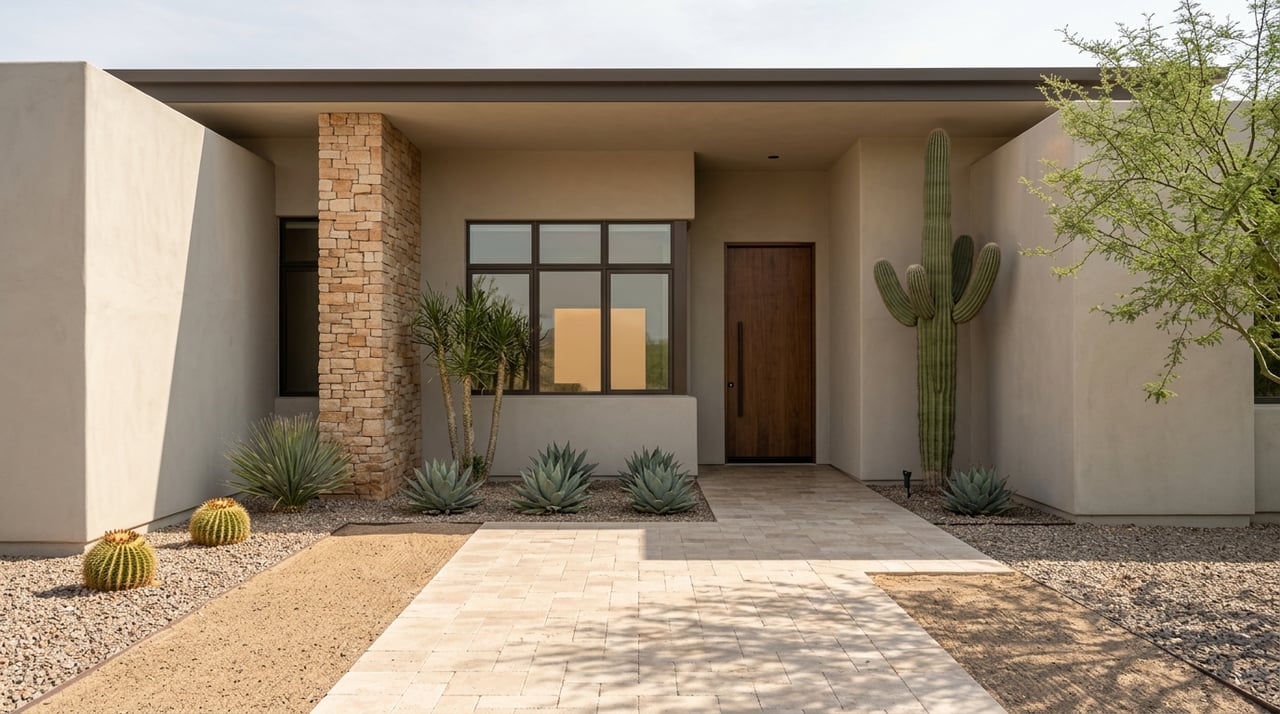
- Condition and finishes. Updated kitchens and baths, solid roofing and HVAC, and desert-adapted landscaping improve buyer confidence and appraisal results.
- Pools and outdoor living. Well-maintained pools, patios, and shaded outdoor spaces are highly valued when integrated into the lot.
- Permits and documentation. Permitted expansions and remodels add value and reduce closing risk. Unpermitted work can lead to concessions.
- Access and utilities. Long private drives, easements, drainage or wash issues, and septic versus sewer can affect price and buyer pool.
- Neighborhood comps. Choose sales from the same pocket, with similar elevation and lot types. Adjust for view quality, slope, and remodel level.
Valuation methods that work
You have several ways to estimate value. Each has a purpose.
- Comparative Market Analysis (CMA). A local agent prepares a CMA using recent closed, pending, and active listings. It’s fast and tuned to micro-markets. It is not a formal appraisal, but it is the best first step for pricing and strategy.
- Broker Price Opinion (BPO). Useful for a more formal snapshot, often for lenders. Standards vary, and it is still not an appraisal.
- Automated Valuation Models (AVMs). Quick and free estimates are fine for a ballpark, but they often miss view premiums, lot complexities, and recent upgrades common in the Foothills.
- Licensed Appraisal. Recognized by lenders and courts. It provides a thorough inspection and standardized analysis, though it takes time and looks backward at recent closings.
When to order an appraisal
Consider an appraisal if you own a unique custom property, you need documentation for a loan or estate, or you expect limited comparable sales. Use a CMA to guide pricing now, and add an appraisal if a lender or special circumstance requires it.
Pricing strategies that sell
Your strategy should match your property and goals. Here are the core approaches:
- Market-value pricing. List at a competitive market price to attract qualified buyers quickly and reduce the chance of multiple reductions.
- Slightly under-market pricing. Aim to create strong early activity and potential competition. This can work well in active segments. It is less effective for unique luxury homes where buyers shop by features and location.
- Premium pricing. List above the likely market value to test the top of the range or create room for negotiation. Expect longer days on market and fewer showings.
Pick one approach, then evaluate data after 10 to 14 days. Showings, feedback, and any offers will tell you whether to hold, adjust, or change tactics.
Seasonal timing tips
Buyer traffic often increases from late fall through early spring. If you can choose your timing, plan to list just before high-traffic weekends during these months. That said, the right price and presentation can drive demand in any season.
Prepare for a same-day consult
A focused valuation and strategy call can happen quickly. Here is how to get ready and what to expect.
What to have ready
- Recent property tax bill and your Pima County Assessor parcel number
- HOA covenants and bylaws, if applicable
- Permit history for remodels or additions
- Recent utility bills and any solar or efficiency documentation
- Repair invoices and warranties for roof, HVAC, and pool systems
- Floor plan and approximate square footage
- Photos of unique features or any known damage
- Mortgage payoff info if available for timeline planning
What we do on the call
- Pre-call intake, 5–10 minutes. Confirm address, goals, and documents available.
- Walkthrough or photo review, 10–30 minutes. Note condition, views, lot traits, systems, and any red flags.
- Pricing discussion, 10–20 minutes. Share a preliminary CMA range, recommend a pricing strategy, buyer profile, timing, and marketing steps.
- Next steps, 5 minutes. Decide on a detailed CMA within 24–48 hours, listing timeline, and whether an appraisal is advisable.
What you receive next
- A realistic value range with suggested list price and likely sale price
- Comparable sales with clear adjustments for views, lot slope, condition, and pool
- A marketing and pricing timeline from pre-list prep to closing
- A shortlist of issues that may affect appraisal or buyer confidence
Avoid costly pitfalls
Address key items early to protect your price and timeline:
- Permits and code compliance. Gather documentation for major remodels or additions. Disclose any unpermitted work so you can plan solutions.
- Flood and wash considerations. Confirm whether any part of the property lies near a wash or mapped flood area and plan disclosures and mitigation as needed.
- Utilities and systems. Verify sewer or septic. Maintain records for septic service, well systems, or solar equipment. Buyers and lenders will ask.
- HOA documents. Provide CCRs, rules, and recent financials if your community is governed by an HOA. Rental rules and design guidelines can affect buyer decisions.
- Topography and access. Note long private drives, shared easements, and drainage features that could influence insurance, maintenance, or financing.
Marketing that fits this market
Presentation matters in scenic neighborhoods. Set up your home to shine and appeal to the right buyers.
- Pro photography and video. Showcase mountain and city views, outdoor areas, and natural light. Twilight images and, where permitted, drone footage can boost engagement.
- Price band awareness. Align list price with common search brackets. Small adjustments can move you into a higher-traffic band.
- Showing plan. Use open houses, private showings, or broker tours based on your privacy needs and price point. Appointment-only showings can focus attention on qualified buyers.
- Preparation checklist. Tidy landscaping, fresh pool service, HVAC tune-up, and addressing minor repairs send a strong signal to buyers.
Reviewing offers and terms
When offers arrive, look beyond price to assess the full package.
- Financing strength. Request pre-approval or proof of funds. Cash offers reduce financing risk.
- Inspection expectations. Desert-specific systems like AC, roof, pool, and irrigation are high priorities for buyers.
- Contingencies and closing date. Keep an eye on appraisal, inspection, and sale-of-home contingencies. Flexibility on timelines can be a win-win.
- Title and escrow. Arizona closings typically run through title and escrow companies. Use experienced local partners for a smooth process.
Ready to start?
If you want a precise number and a clear plan, request a same-day consult. You will get a local CMA, a pricing strategy matched to your goals, and a step-by-step path from prep to closing. Work directly with our owner-brokers for high-touch guidance and neighborhood-level insight.
Request a Call Back with Net Properties Real Estate to get your Catalina Foothills valuation and strategy.
FAQs
How accurate are online estimates in Catalina Foothills?
- AVMs can be a starting point, but they often miss view premiums, lot slope, and recent upgrades, so follow up with a local CMA or appraisal.
How long does a professional appraisal take here?
- Expect several days to two weeks depending on scheduling and property complexity; unique or luxury homes can take longer.
When is the best time to list my Foothills home?
- Winter and early spring often see more buyer activity, but your pricing, preparation, and current neighborhood trends matter most.
Do I need permits for past remodels to sell?
- Permits may not be required to sell, but unpermitted work must be disclosed and can affect financing and price; provide documentation when possible.
What should I prepare before a valuation visit?
- Gather tax records, permit history, HOA documents, recent utility bills, repair invoices, and photos or plans to speed a same-day consult.
How do septic or HOA rules affect my sale?
- Septic systems and HOA covenants can influence financing, insurance, and buyer pool; have service records and governing documents ready early.