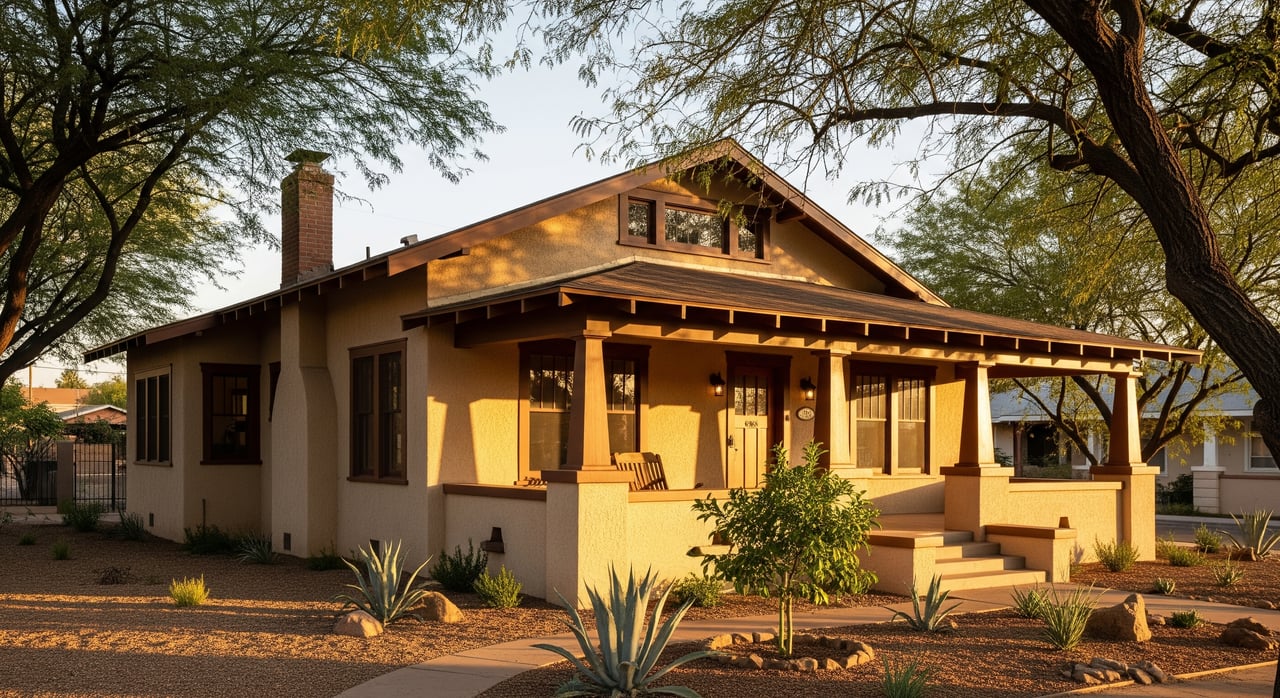
Smart Pricing Strategies for Historic Sam Hughes Homes
December 18, 2025
December 18, 2025
Have you wondered why two similar-looking Sam Hughes homes can sell for very different prices? If your place has original details and decades of history, pricing it like a newer home can backfire. You want to capture the value of character without scaring off appraisers or buyers. This guide shows you a clear way to price a historic Sam Hughes bungalow or Spanish Revival home so you maximize value and move smoothly to closing. Let’s dive in.
Sam Hughes is a walkable, historic neighborhood near the University of Arizona and central Tucson amenities. Buyers often come for character, mature trees, and proximity to campus and downtown. Inventory of truly intact historic homes is thin, which can support premiums when original features are well preserved. At the same time, historic designations and local guidelines can shape what work is allowed, which influences buyer pool and price.
Before you price, verify any historic designations and design-review requirements with the City of Tucson Historic Preservation Office. Check the Pima County Assessor and Recorder for parcel details, measurements, and recorded documents. Confirm that your MLS data will match assessor measurements and permitted work.
Use sales from Sam Hughes first, ideally the same block or immediate streets, since micro-location matters. Proximity to parks and the University can shift price even within a few blocks. Expand outward only if you cannot find enough recent sales.
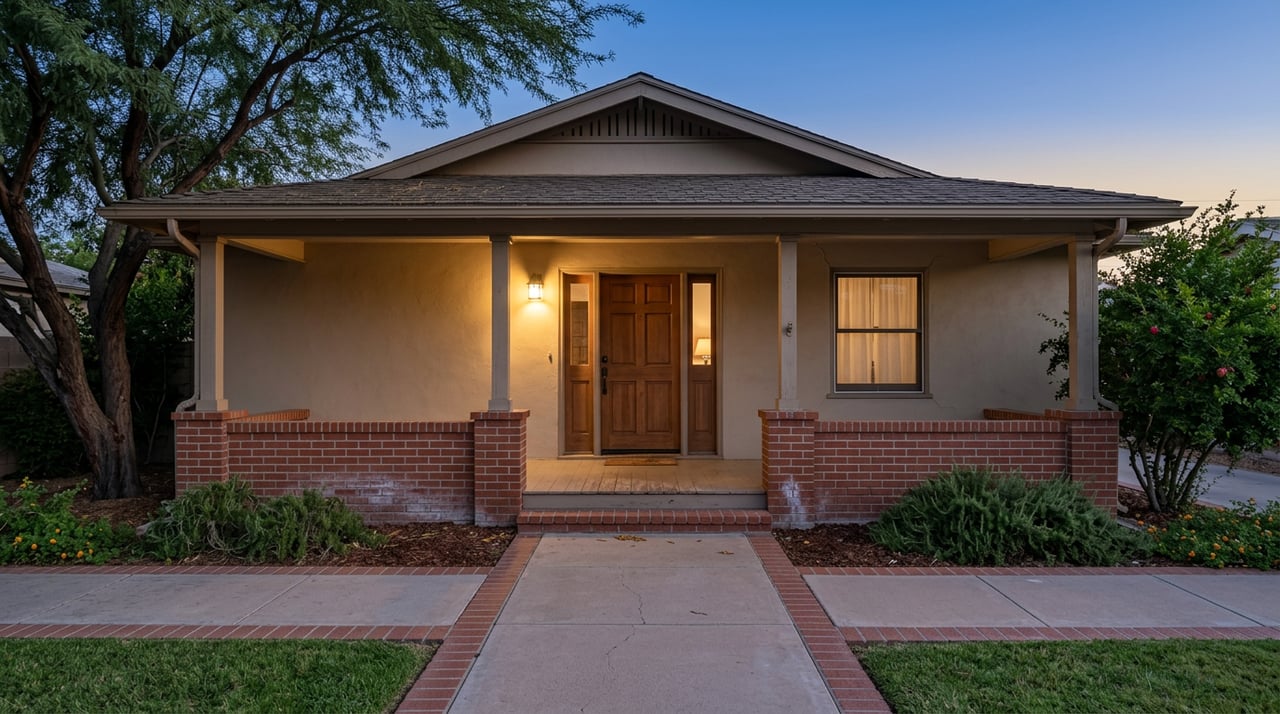
Pair bungalows with bungalows and Spanish Revival with Spanish Revival when possible. Roof form, porch configuration, and floor plan influence buyer perception and value. Keep an eye on original materials and exterior appearance when weighing comps.
Match gross living area as closely as possible and confirm what is permitted. Adjust for bed and bath count, flow, and functional layout. Avoid counting non-permitted areas as living space when benchmarking price.
Group comps by similar preservation. A home with intact plaster, wood floors, and period trim is not the same as one with heavy modern replacements. If you use a less comparable sale, be ready to adjust.
Lot depth, orientation, privacy, and usable yard space matter in Tucson’s climate. Corner lots can bring light and frontage benefits but may include traffic or noise tradeoffs. Account for mature shade trees and outdoor living areas if buyers in your set value them.
Certified restorations and clear documentation build buyer confidence and can support price. Keep permits, contractor records, and historic photos accessible. Appraisers rely on market evidence, so documentation helps your story hold up.
Aim for 3 to 6 closed sales within 3 to 6 months when possible. In slower periods, you may expand to 6 to 12 months and make time adjustments. Use pending and active listings as context, not as price proof.
When you can find two sales that differ by only one feature, use the price gap as a market-based adjustment. This works well for features like garages, an extra half bath, or a new roof.
If the roof leaks or the electrical is outdated, adjust by reasonable repair cost plus any market discount for buyer risk. Pre-listing inspections and contractor bids make these figures credible.
For authentic character features that are costly to replicate, consider both replication cost and market preference. Original windows in good condition, built-ins, period hardware, and fireplaces often carry buyer-perceived value. Balance authenticity with utility so upgrades do not erase character.
Note whether an adjustment came from paired sales, a contractor estimate, or local experience. Organized backup helps you defend price during appraisal and negotiation.
Buyers often pay attention to original wood floors, intact plaster, well-maintained historic windows, built-in cabinetry, original doors and trim, period hardware, and porch details. Intact and well-preserved elements are difficult to reproduce, which supports value. Keep repair invoices and restoration notes to show stewardship.
Sympathetic kitchen and bath updates that respect the home’s character tend to boost marketability. Over-modernizing can turn off preservation-minded buyers, so aim for compatibility. Keep receipts and permit documentation to reinforce quality and compliance.
Recent permitted work on HVAC, plumbing, electrical, and roof condition can ease buyer and lender concerns. Energy and comfort upgrades add utility and reduce perceived risk, even if they are not dollar-for-dollar premiums. Non-permitted work complicates financing and appraisals, so address it early.
Casitas, garages, and carriage houses can add value when permitted and built to code. Non-permitted living areas usually will not count toward appraised square footage. If permitting is feasible, resolve it before listing.
Confirm gross living area with assessor records or a professional measurement. Make sure MLS reflects only permitted living space and accurate bed and bath counts. Clear data reduces appraisal friction.
Updates to structure and systems can reduce a home’s effective age, which may support value even if the home is older. Provide invoices and inspection reports that show the scope and timing of upgrades. Appraisers rely on evidence to reflect these gains.
Choose a range that aligns with your top-tier comps and the current pace of local sales. Overpricing can stretch days on market and weaken appraisal outcomes. Underpricing can leave money on the table when character is rare and desirable.
Emphasize the home’s story and period features in photos, copy, and tours. Highlight walkability and proximity to the University of Arizona and central amenities. Staging should balance period character with everyday functionality.
Monitor feedback and showing activity in the first two weeks. If buyers react to condition or layout, adjust presentation or address concerns with bids and documentation. Align price and marketing to the most responsive buyer segment.
Expect scrutiny of square footage and permits. Use your documentation to preserve price while offering targeted solutions. Be flexible on terms that protect value without undermining your net proceeds.
You only get one chance to make a first impression on the market and the appraiser. With the right comp set, documented improvements, and a clear pricing strategy, you can showcase your home’s character and sell with confidence. For a neighborhood-specific plan and hands-on support, connect with the team at Net Properties Real Estate.
Stay up to date on the latest real estate trends.