Buying a Historic Home in Sam Hughes: What to Know
May 14, 2026
May 14, 2026
Thinking about buying a historic-era home in Sam Hughes? It can be an exciting move, but it also comes with a different set of questions than buying a newer home in Tucson. If you understand how historic status, property condition, permits, and repair priorities work before you buy, you can make a smarter decision and protect your budget. Let’s dive in.
Sam Hughes is a National Register historic district in Tucson, generally bounded by Speedway, Campbell, 7th, and Bentley. The neighborhood developed from the 1920s through the 1950s, which means the housing stock spans several eras instead of one single building period. That variety is a big reason buyers need to look carefully at each home on its own merits.
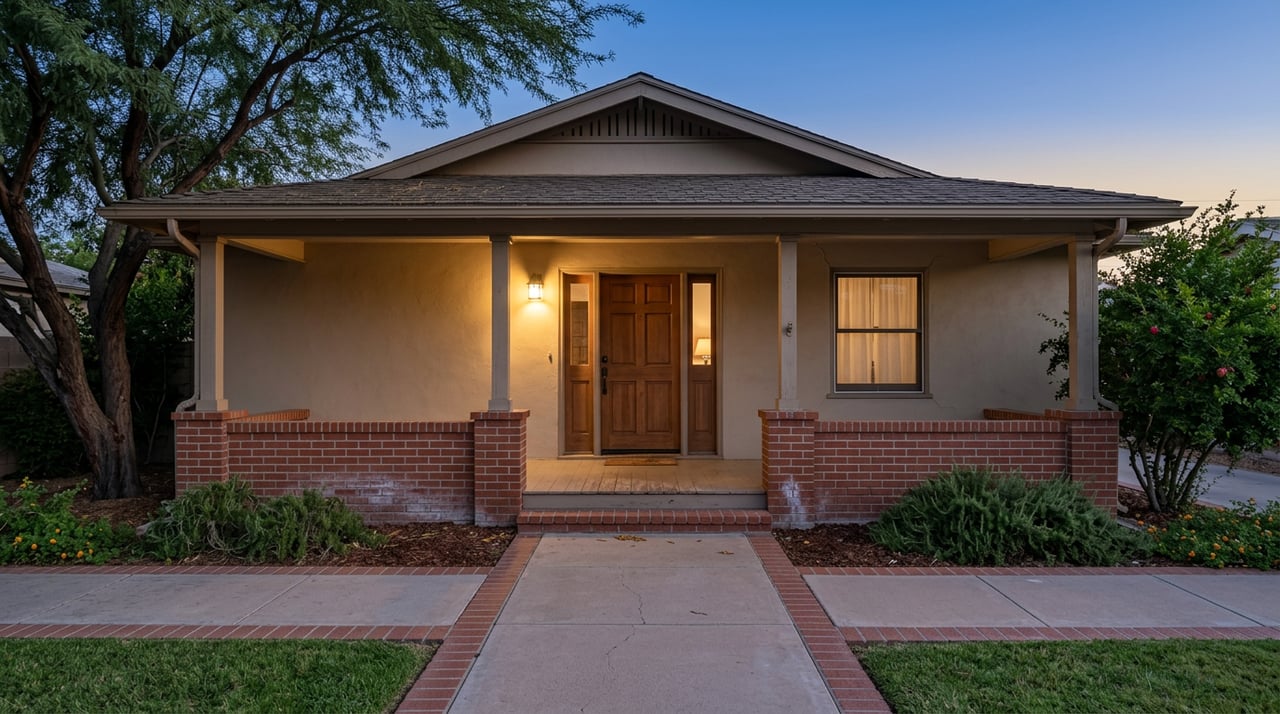
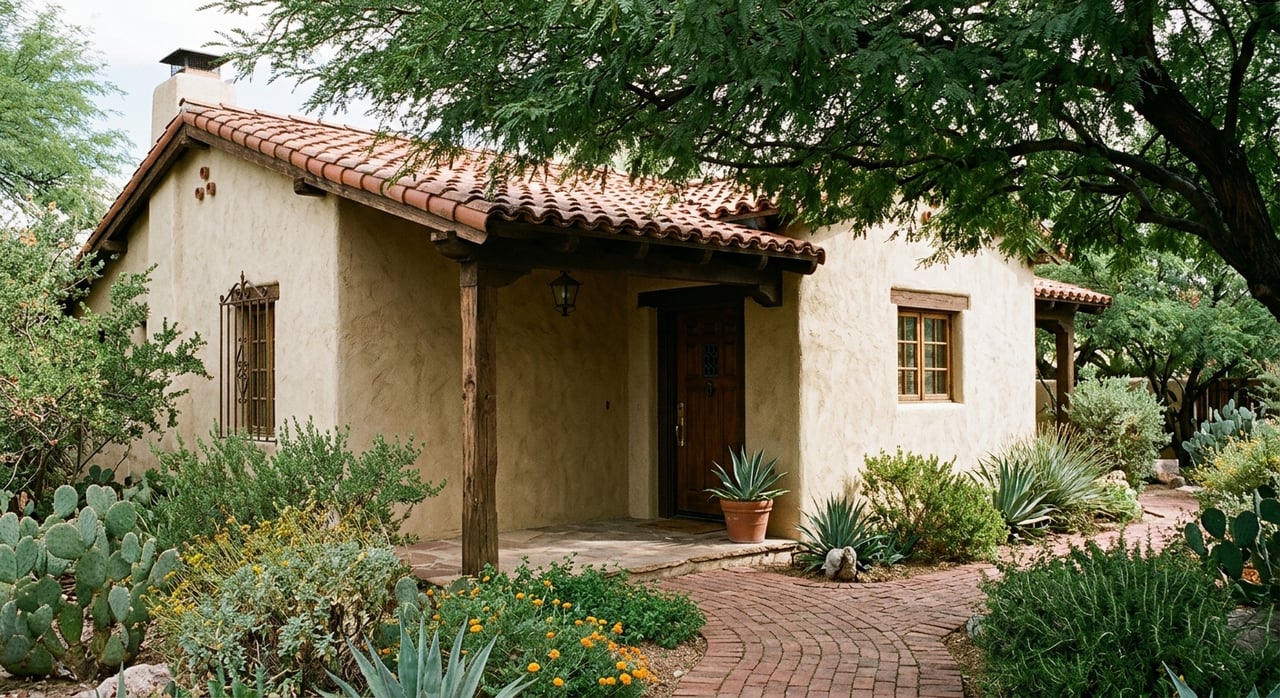
You will often see Spanish Eclectic homes, earlier Craftsman homes, and later Ranch-era construction. Common materials in the district include stuccoed masonry, painted and unpainted brick, and red clay mission tile roofs. In real terms, that means two homes a few streets apart may have very different original features, updates, and maintenance needs.
When you tour homes here, it helps to shift your mindset. Instead of asking whether a house is simply “old” or “updated,” ask how much original material remains, what has been changed over time, and whether past work appears thoughtful and well maintained. That lens can help you spot both value and risk.
One of the biggest points of confusion for buyers is historic designation. A home in Sam Hughes may be part of a National Register historic district, but that does not automatically mean the property is subject to local historic zoning review. National Register listing alone does not place federal restrictions on what a non-federal private owner may do with the property.
In Tucson, formal historic design review applies to Historic Preservation Zones and Historic Landmarks. The city lists five HPZs: Armory Park, Barrio Historico, El Presidio, Fort Lowell, and West University. For Sam Hughes buyers, the practical takeaway is simple: do not assume every home in the district has the same review requirements.
Before you buy, verify the specific parcel in MapTucson. The city uses MapTucson for current historic layers, and it notes that properties shown as Contributing in a historic district are the parcels listed on the National Register. This is one of the most important early due diligence steps if you are considering future renovations.
Even when a property is not subject to local historic design review, city permit rules still matter. Tucson notes that all development in an HPZ or Historic Landmark requires a permit and Historic Preservation Design Review. The city also states that proposed demolition of any building more than 50 years old is subject to historic review before exterior demolition permitting can move forward.
That matters if you are thinking about a teardown, a major addition, or a remodel that changes the exterior in a big way. In an older neighborhood like Sam Hughes, your timeline and costs may be affected by city review, even if your original plan seems straightforward. It is much easier to account for that before closing than to discover it after you own the home.
For many buyers, this is where local guidance really helps. A house with charm and potential can still be a strong purchase, but only if you understand what work is likely to require permits and what review path may apply.
Historic-era homes often reward buyers who look deeper than fresh paint and updated fixtures. In Sam Hughes, many homes were built before 1978, which makes lead-based paint an important consideration. According to CDC and EPA guidance, homes built before 1978 are likely to contain lead-based paint, and renovation work that disturbs painted surfaces can create significant lead dust.
If planned work will disturb painted areas, EPA lead-safe rules call for certified firms and certified renovators using lead-safe practices. That does not mean every older home is a problem. It does mean you should factor lead-safe planning into both your renovation timeline and your budget if you expect to open walls, sand surfaces, replace trim, or do similar work.
A standard home inspection is a good starting point, but it may not be enough by itself. Tucson’s residential permit categories are a useful reminder of where older-home issues often show up: roofing, windows, doors, siding, plumbing, gas, and HVAC. If the home inspection raises concerns in any of those areas, targeted specialists may help you understand the real scope of work before you close.
It is easy to fall in love with the character of an older Sam Hughes home and immediately start planning cosmetic updates. In many cases, the smarter first step is to focus on health, safety, comfort, and performance. That usually means looking at the roof, plumbing, electrical components, HVAC, moisture issues, and draft points before spending heavily on finishes.
For energy performance, the U.S. Department of Energy says a professional home energy assessment is the best way to find where a home is losing energy. ENERGY STAR also recommends hiring a home energy professional to identify hidden air leaks and possible safety issues. In an older home, these assessments can be especially useful because air leakage and missing insulation are not always obvious during a walk-through.
Air sealing and insulation are often strong early upgrades. ENERGY STAR says sealing air leaks and adding insulation can improve comfort and efficiency and may save up to 10% on annual energy bills. Common trouble spots include windows, doors, attic hatches, and other gaps in the building shell.
Older homes tend to respond well to a repair-first mindset. In Tucson, same-size, same-location window or door replacements may not require a permit unless the property is in an HPZ, while structural roof work, new siding, and new roof penetrations do require permits. That difference is one reason many buyers choose to preserve existing materials where possible instead of replacing everything at once.
This approach can also help you protect the home’s character. In Sam Hughes, original materials and architectural details are often part of what makes a home appealing in the first place. Repairing what is still serviceable may support both the look of the home and a more manageable renovation budget.
That does not mean every original feature should stay forever. It means you should make decisions carefully, with a clear understanding of condition, permit implications, and how the work fits your long-term plan for the property.
Not every contractor approaches an older home the same way. Tucson advises people in historic areas to ask their neighborhood association or local preservation groups for recommendations for experienced historic architects and contractors. That advice is especially useful in Sam Hughes, where repair decisions can affect both character and cost.
When you hire professionals who understand older materials, they are more likely to evaluate whether something can be repaired before recommending full replacement. They may also be better prepared to work around original masonry, older roof materials, and period details that deserve a more careful touch. For buyers, that expertise can make a meaningful difference in both project results and long-term maintenance.
There may be a financial benefit worth checking if you plan to owner-occupy the home. Tucson states that owner-occupied homes listed on the National Register of Historic Places may be eligible for Arizona’s historic property tax reclassification program. Applications are filed through the Pima County Assessor by August 1 for the following tax year.
This is not something every buyer will qualify for automatically, and it should be verified based on the specific property. Still, it is a smart question to ask during your due diligence period if you are buying in Sam Hughes and plan to live in the home.
If you are serious about buying a historic-era home in Sam Hughes, try to get clear answers to these questions before you remove contingencies:
These are the kinds of questions that help you move from emotional excitement to practical confidence. In a neighborhood like Sam Hughes, that balance matters.
Buying a historic-era home here can be incredibly rewarding. You get architecture, materials, and neighborhood context that newer homes often cannot replicate. But the best outcomes usually go to buyers who do careful homework up front, verify the specific property details, and plan improvements in the right order.
If you want help evaluating a Sam Hughes home, comparing options, or understanding what to watch for before you write an offer, Net Properties Real Estate can help you navigate the details with local insight and practical guidance.
Stay up to date on the latest real estate trends.