Explore Catalina Foothills Home Styles and Design
May 28, 2026
May 28, 2026
If you have ever driven through Catalina Foothills and wondered why the homes feel so tied to the land, you are noticing one of the area’s defining features. Here, architecture is not just about curb appeal. It is shaped by mountain views, sloped lots, desert light, and a long local preference for homes that feel embedded in the Sonoran landscape. If you are buying, selling, or simply narrowing your search, this guide will help you recognize the home styles you are most likely to see and what makes each one distinct. Let’s dive in.
Catalina Foothills is an unincorporated Pima County community set against the Santa Catalina Mountains. Local planning and design guidance has long emphasized low-density residential development, desert preservation, protected views, and designs that work with the natural setting instead of overpowering it.
That shapes what you see on a home tour. Many houses have low silhouettes, earth-toned materials, shaded outdoor spaces, and layouts that respond to the slope of the land. In Catalina Foothills, a home often stands out not because it is flashy, but because it fits the lot well and leaves the surrounding desert intact.
Southwestern homes are some of the most recognizable properties in the Foothills. The style has deep roots in the area and is closely tied to the early vision for large lots, privacy, and preservation of desert vegetation and mountain views.
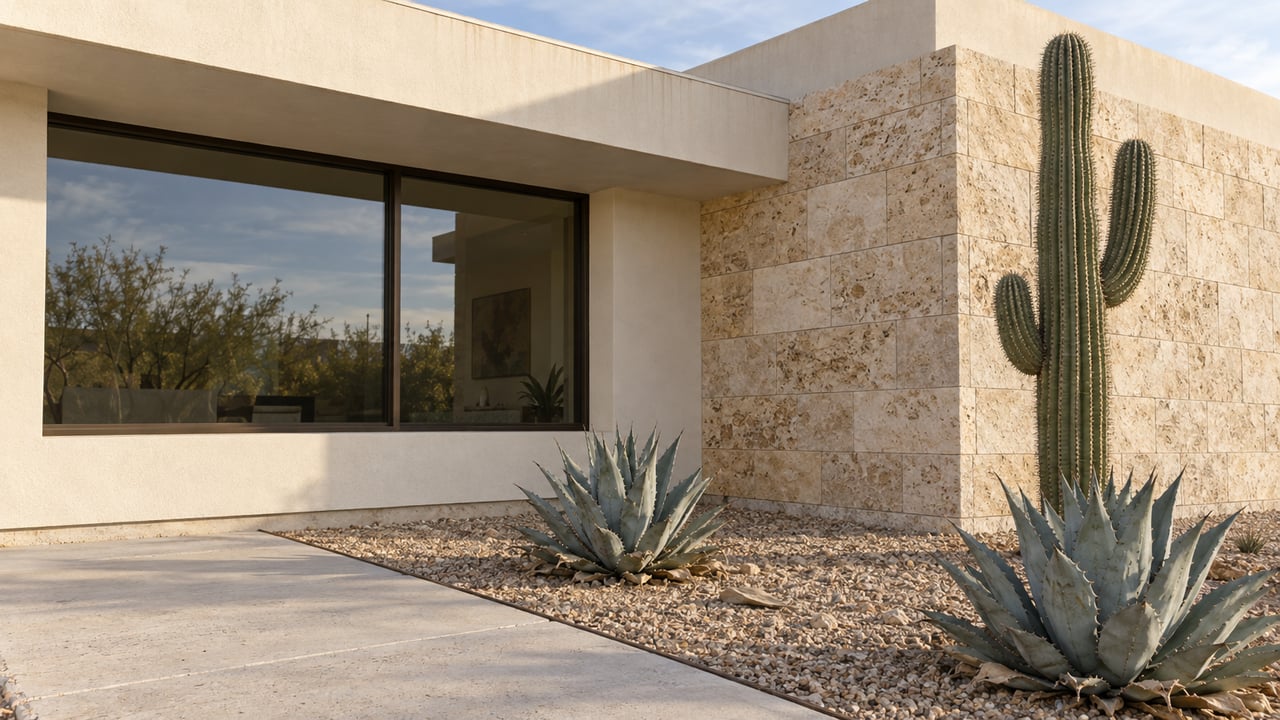
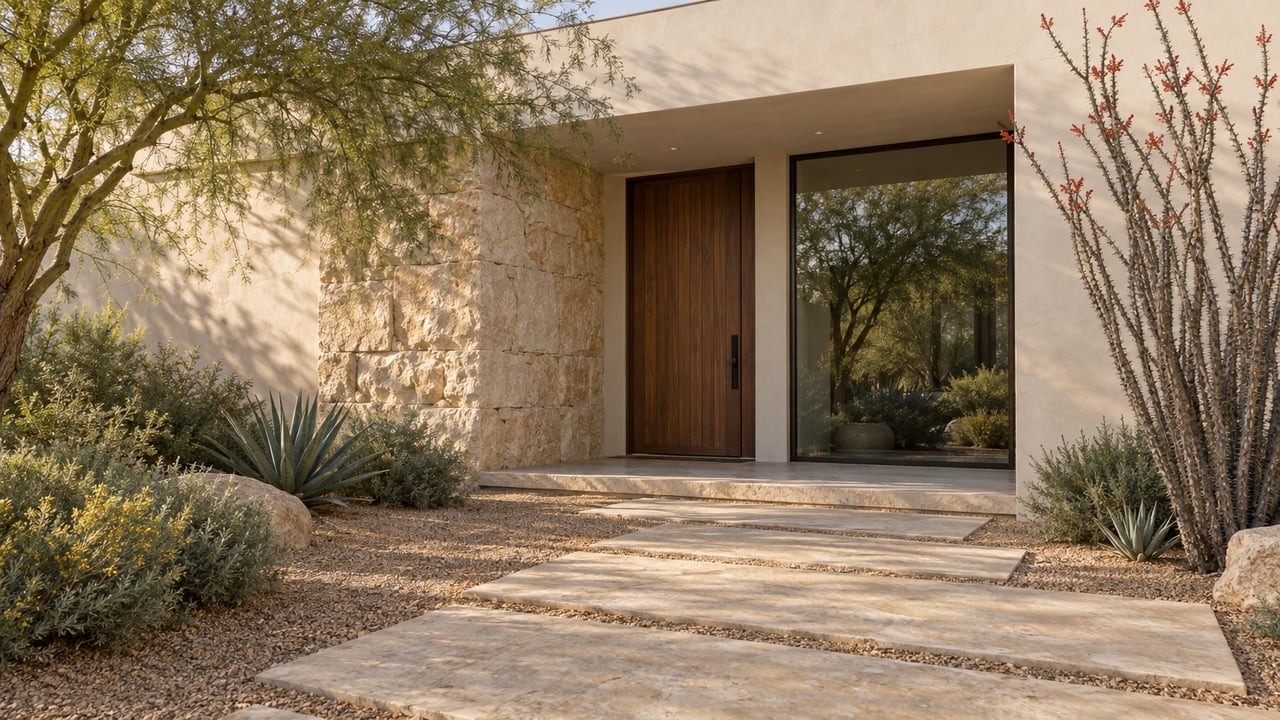
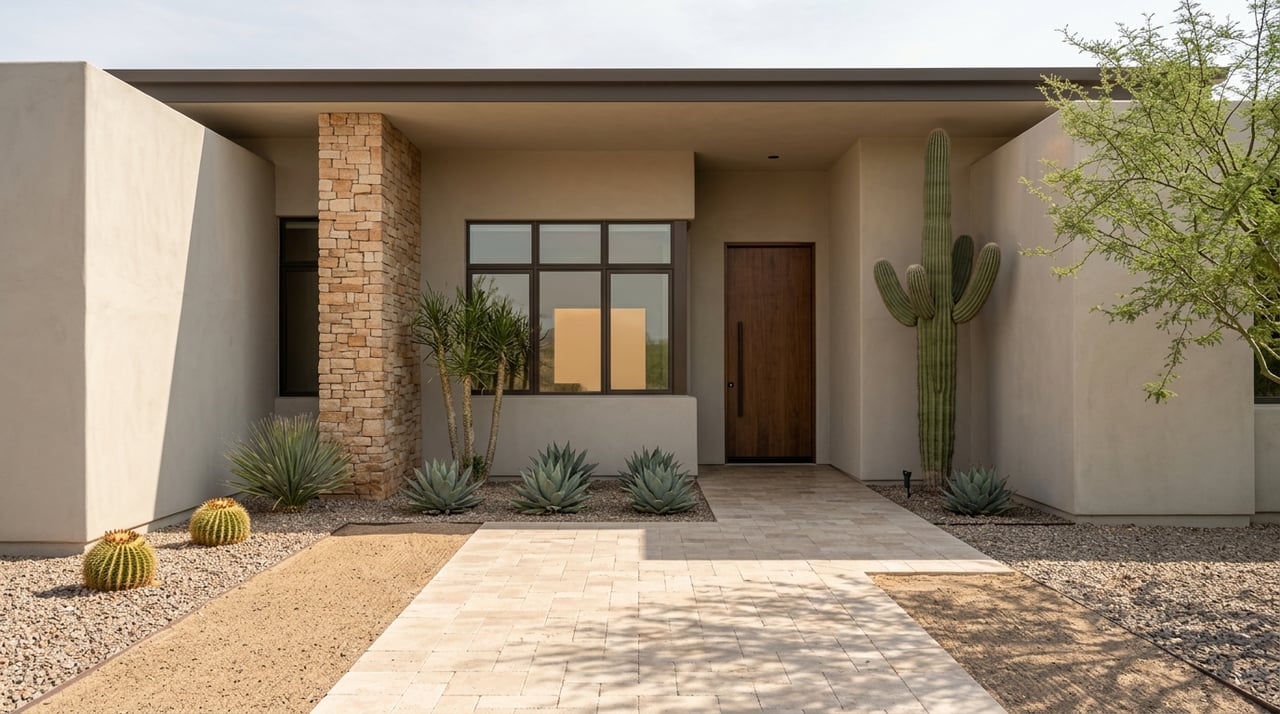
You will often notice flat roofs, parapets, warm stucco or burnt adobe tones, recessed openings, and shaded entries. These homes usually feel grounded and inward-looking, with courtyards, thick-looking walls, and a strong connection between indoor and outdoor living.
Many of these design cues reflect regional traditions associated with Spanish Colonial, Pueblo Revival, and Mexican-influenced architecture. Details can include wrought ironwork, decorative tile, ceiling beams, carved doors, wall niches, and stained concrete floors.
Southwestern design suits the Foothills because it responds naturally to the desert climate and the visual character of the land. Low massing, shaded areas, and courtyard-oriented layouts help homes feel calm, private, and well adapted to strong sun and open views.
For buyers, this style often feels timeless in Catalina Foothills. For sellers, these homes tend to appeal to people looking for an authentic Tucson-area look rather than a style that could sit anywhere.
In Catalina Foothills, you will also hear homes described as Sonoran Revival or Territorial. In practice, these labels often overlap with Southwestern architecture, and many properties combine elements from more than one design vocabulary.
Sonoran Revival and Territorial-inspired homes often have flat façades, parapets, recessed windows and doors, and desert-colored materials. Burnt adobe is especially important in this regional style because it reflects local building traditions and blends naturally with the surrounding terrain.
These homes usually present a quiet exterior presence. Instead of reaching upward, they spread out horizontally and use proportion, texture, and shadow to create visual interest.
When you walk through these homes, the experience is often as important as the exterior style. Shaded entries, enclosed courtyards, and transitions to patios or covered outdoor rooms create a sense of shelter while still keeping the mountains and desert in view.
That balance is a big part of the Foothills appeal. The strongest examples feel connected to the land, not separate from it.
Mid-century modern homes have a strong presence in the Tucson area, and Catalina Foothills includes many examples that reflect the local climate and landscape. This is not the glass-box version of modernism you might picture in another region. Tucson’s mid-century homes tend to be more grounded, more shaded, and more responsive to the desert.
You will often see one-story layouts, broad glass areas, low-pitched or mixed roof forms, broad overhangs, wing walls, planters, and attached garages or carports. These homes usually read as low, casual, and horizontal.
The landscaping also plays a big role. In many Foothills mid-century homes, the house and site feel like one composition, with desert plantings, patios, and mountain backdrops doing as much visual work as the structure itself.
A well-designed mid-century home can feel remarkably current because it focuses on light, simplicity, and connection to the outdoors. In Catalina Foothills, that approach still fits how many buyers want to live today.
You may also see renovated homes that keep the low, clean lines of the original architecture while updating finishes and indoor-outdoor spaces. That mix of preservation and refresh is common in higher-end Foothills properties.
Ranch homes became a major part of Tucson’s postwar growth, and the Foothills includes many custom ranch variations. While ranch homes can seem simple at first glance, the local version has a strong regional identity.
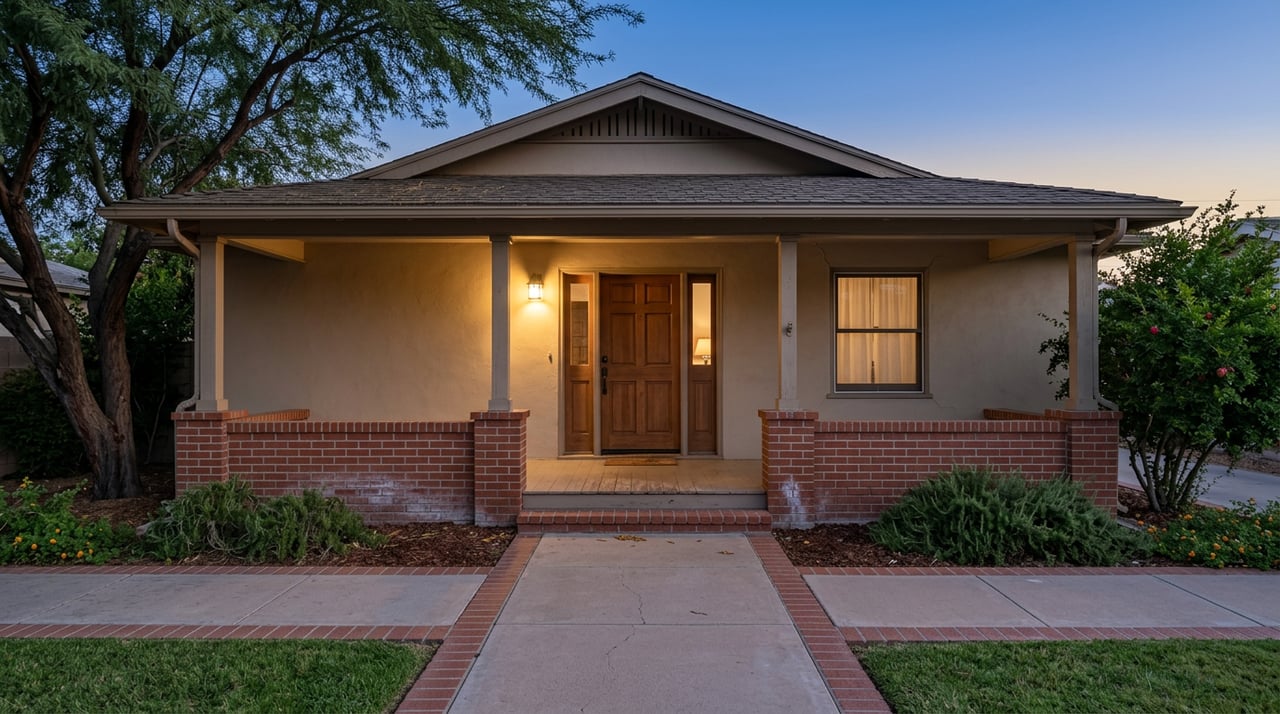
These homes are typically set farther back on the lot and emphasize long, horizontal lines. Plans are often rectilinear or L-shaped, and common materials include burnt adobe, brick, and stuccoed concrete.
In Tucson, the ranch style evolved into especially low-profile homes that preserve views and sit gently on the land. That low profile is a major reason ranch homes continue to feel right at home in Catalina Foothills.
Ranch homes can offer practical floor plans, easy indoor-outdoor flow, and a strong sense of place. In the Foothills, they often pair simple forms with generous lots, mature desert landscaping, and wide mountain outlooks.
If you are touring homes and want a property that feels regional without being overly ornate, a custom ranch may strike the right balance.
Some of the most striking homes in Catalina Foothills are contemporary or luxury custom properties. Even so, the best way to understand them is not by a style label alone. In this area, the most important design question is usually how the home responds to the site.
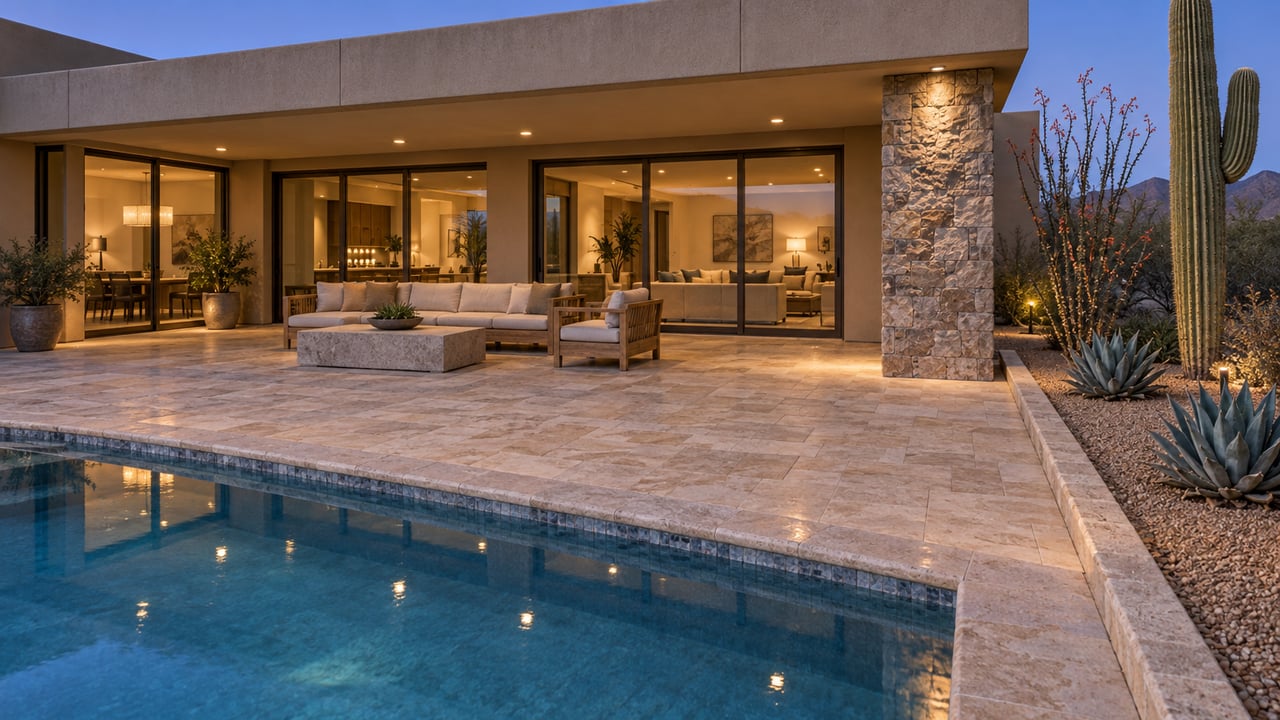
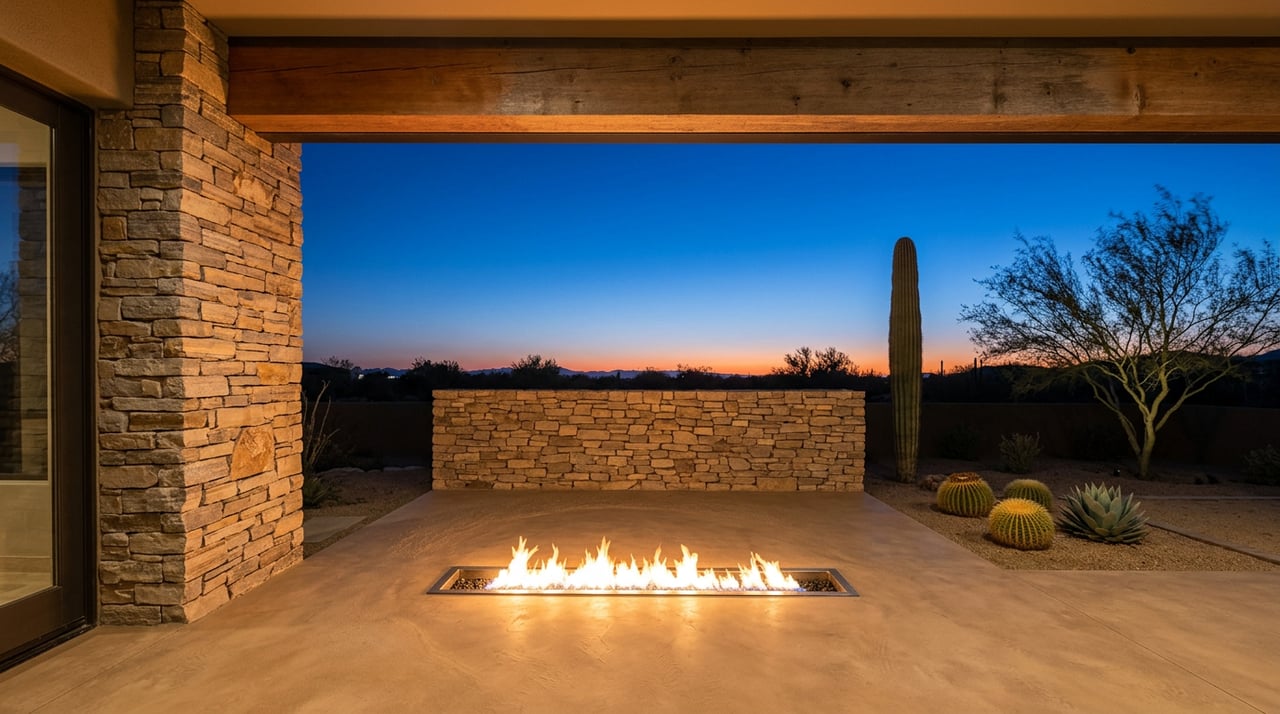
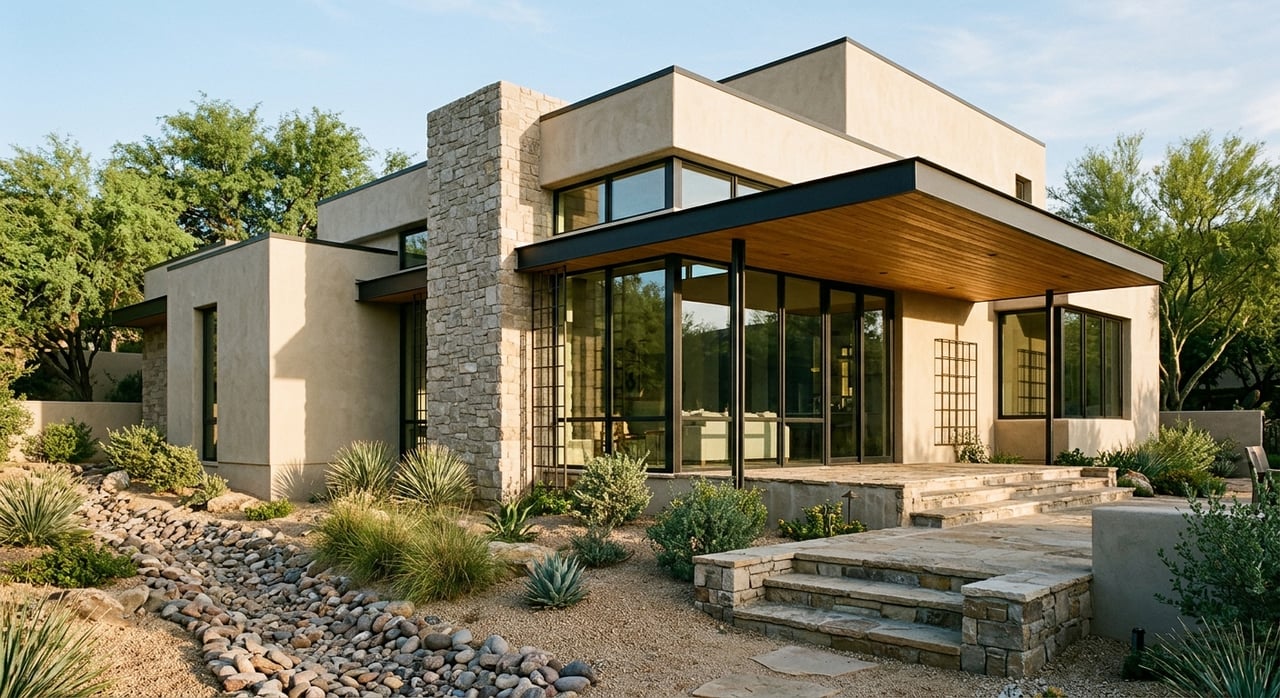
Regional modern architecture in Tucson often emphasizes site, climate, and materials over decoration. In the Foothills, that can mean earth-toned finishes, deeply shaded openings, large glass areas, strong overhangs, and forms that nestle into a rocky slope.
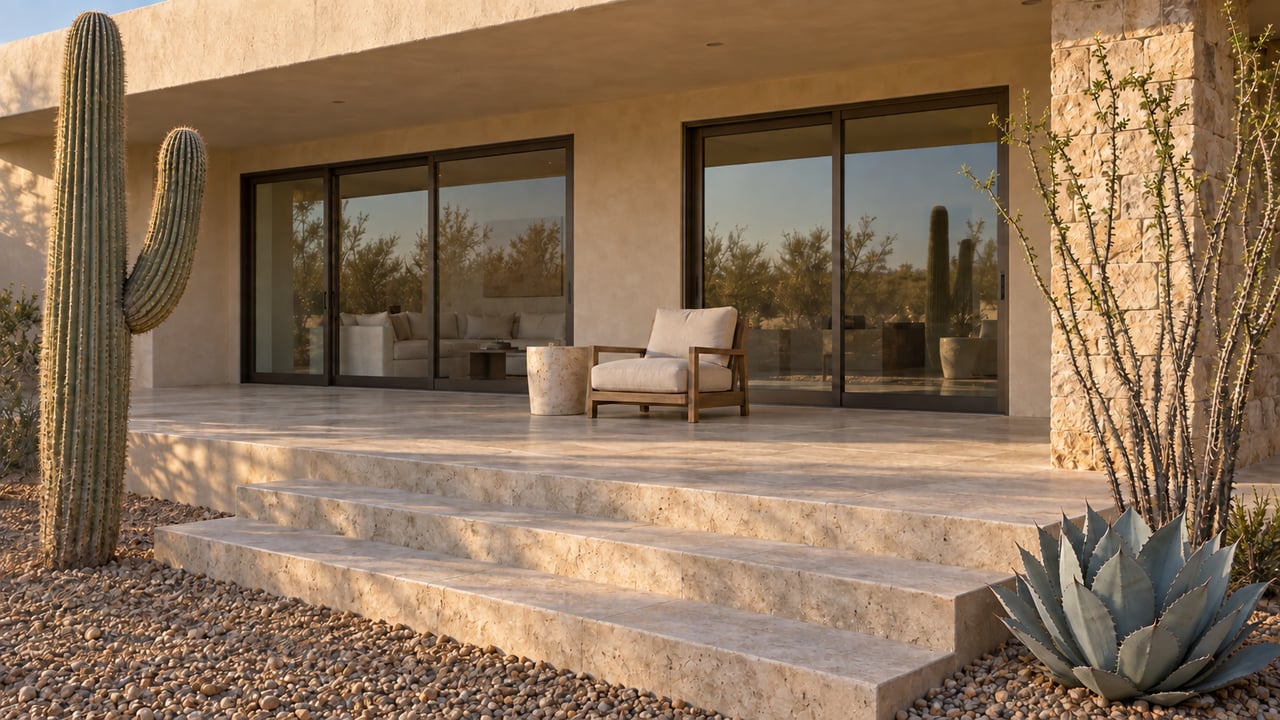
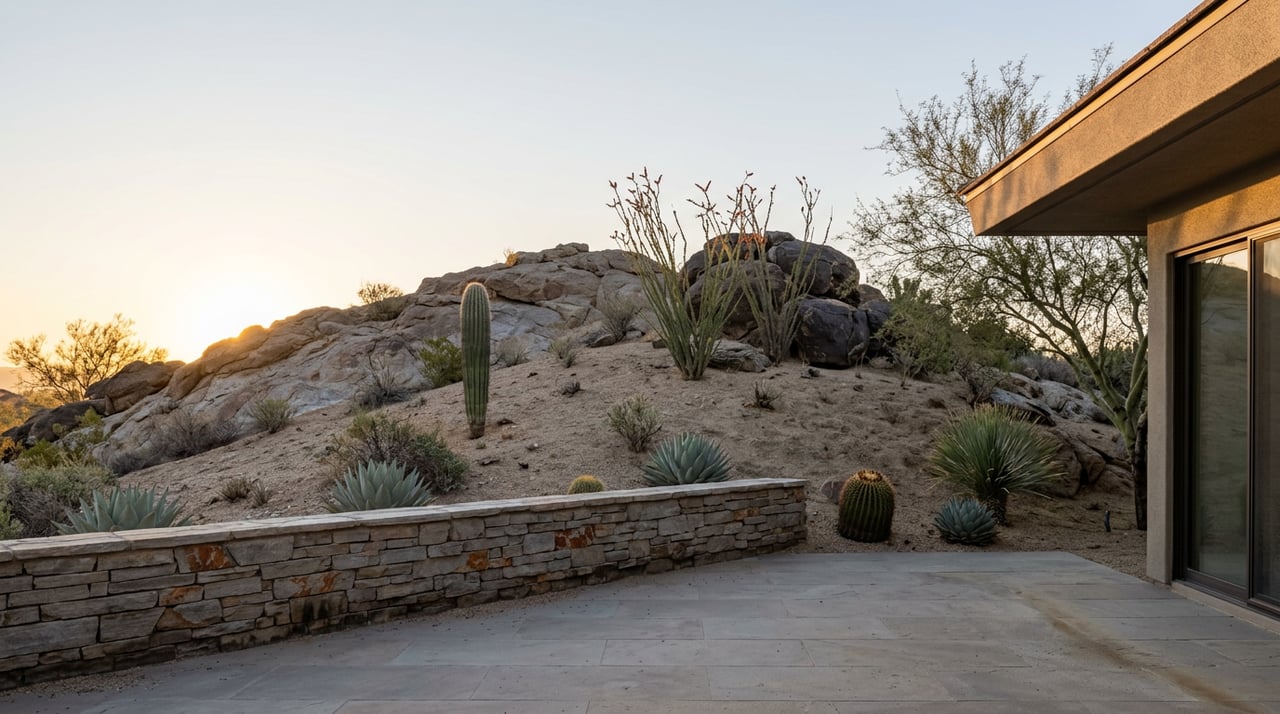
Rather than standing apart from the desert, these homes often blur the line between house and landscape. Terraces, stepped floor plans, and carefully placed windows help frame mountain views while respecting the lot.
Luxury custom homes in Catalina Foothills often feel highly individual because they are shaped by the exact conditions of the property. A home on a steep, rocky parcel may be very different from one on a gentler site, even if both are considered contemporary.
That is also why many high-end homes blend styles. You might see a house with mid-century proportions, Southwestern materials, and contemporary glazing all in one design. In Catalina Foothills, that mix is common and often intentional.
As you tour properties in Catalina Foothills, it helps to look beyond the style name in the listing. The most useful clues often come from how the home relates to the land.
Pay attention to whether the house feels settled into the lot. On sloped parcels, you may see stepped floor plates, terraces, and retaining strategies that help the structure follow the terrain rather than flatten it.
Many homes are low and horizontal for a reason. This approach helps preserve views and supports the desert context that has long shaped Foothills design.
Covered patios, courtyards, shaded entries, and view-facing outdoor rooms are not just extras. In many Catalina Foothills homes, these spaces are central to how the property is meant to be enjoyed.
Burnt adobe, stucco, brick, concrete block, and earth-toned finishes all reflect local building traditions and desert color palettes. When those materials are used well, they help a home feel rooted in place.
If you are buying in Catalina Foothills, understanding local home styles can help you separate temporary trends from lasting value. A house that responds well to its site, preserves views, and connects naturally to the outdoors often reflects the qualities buyers expect in this market.
If you are selling, style recognition matters too. Knowing whether your home reads as Southwestern, ranch, mid-century, contemporary, or a blend can shape pricing, marketing, photography, and showing strategy. In a neighborhood-driven market like Catalina Foothills, that local context can make a real difference.
Whether you are comparing listings or preparing your home for sale, a clear read on architecture helps you make better decisions. If you want practical, neighborhood-level guidance on Catalina Foothills homes, connect with Net Properties Real Estate for local insight tailored to your goals.
Stay up to date on the latest real estate trends.