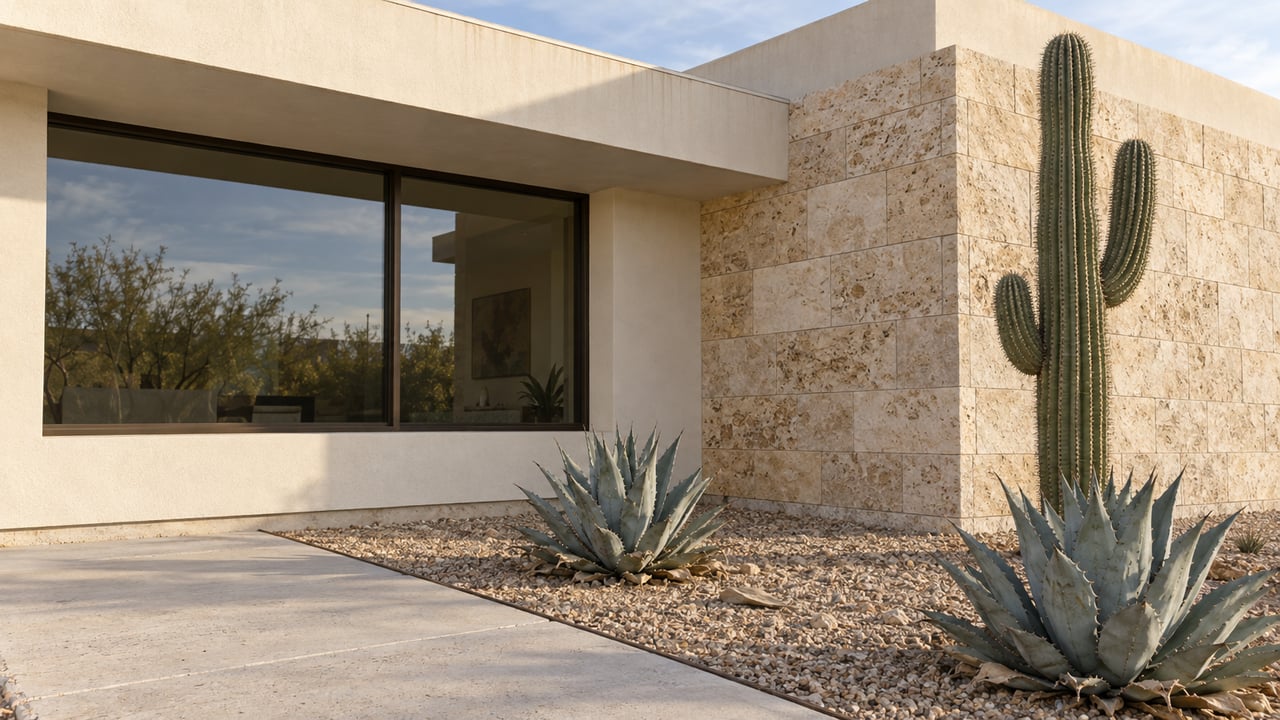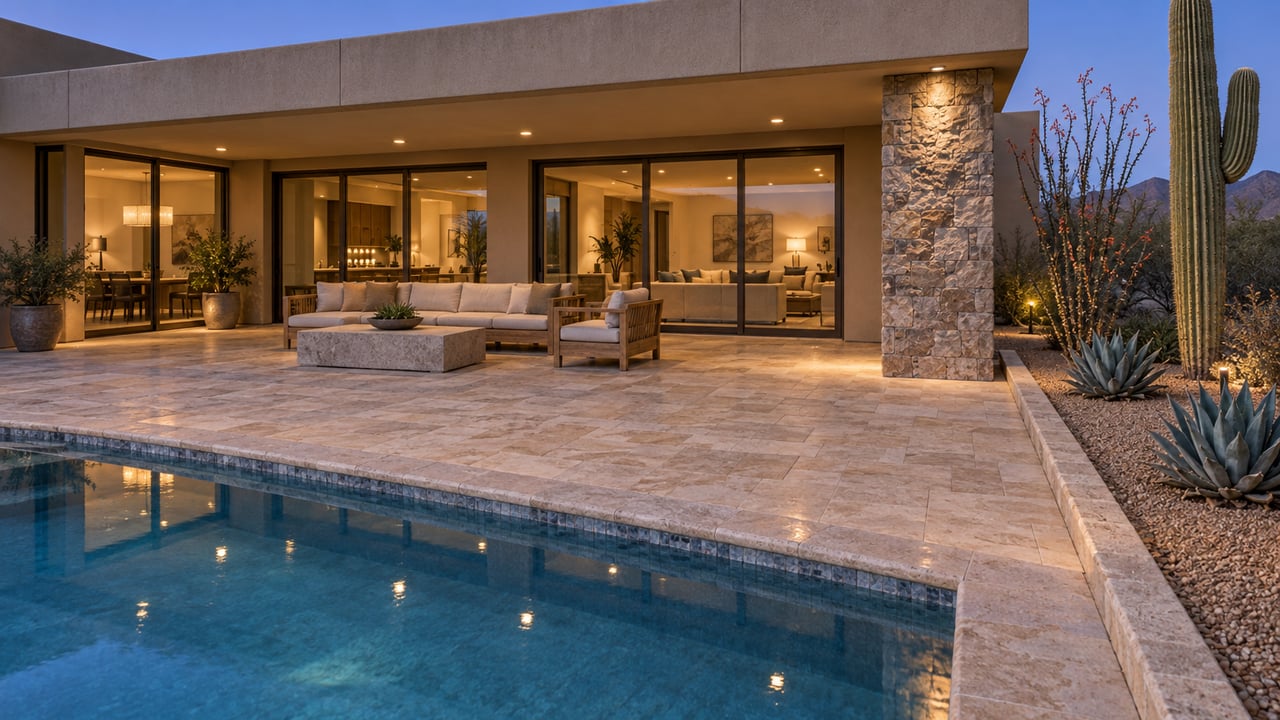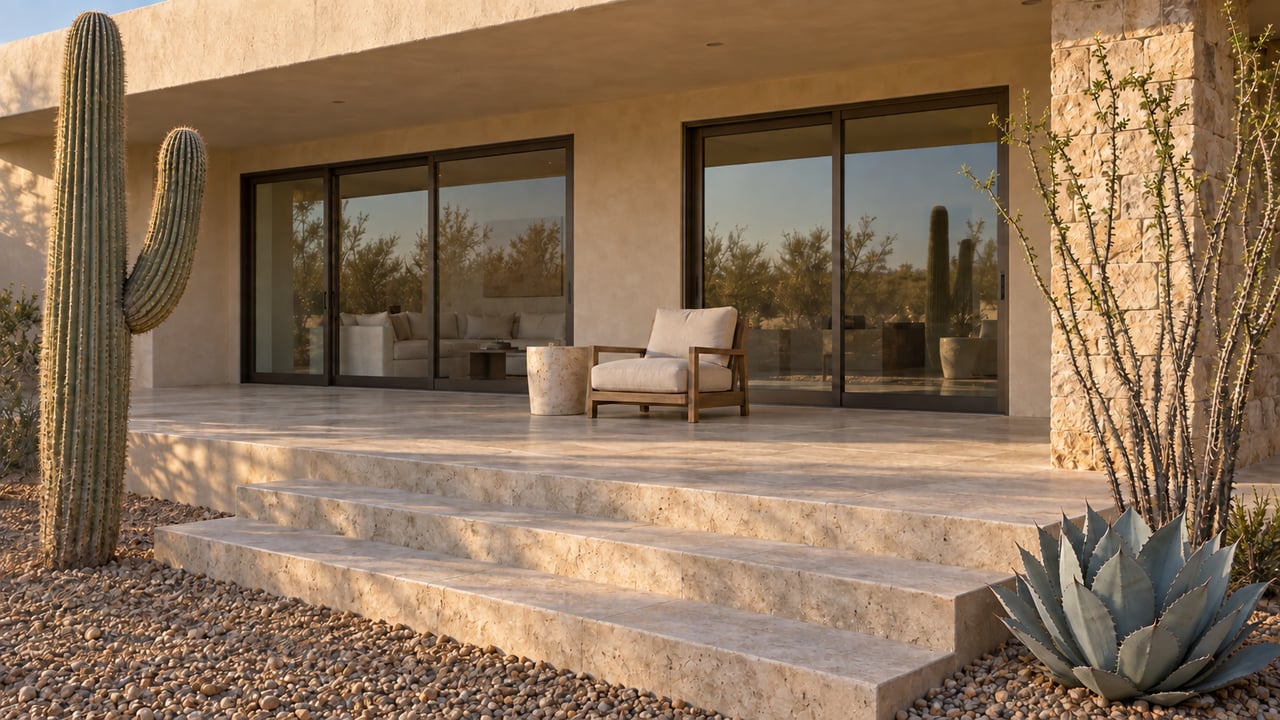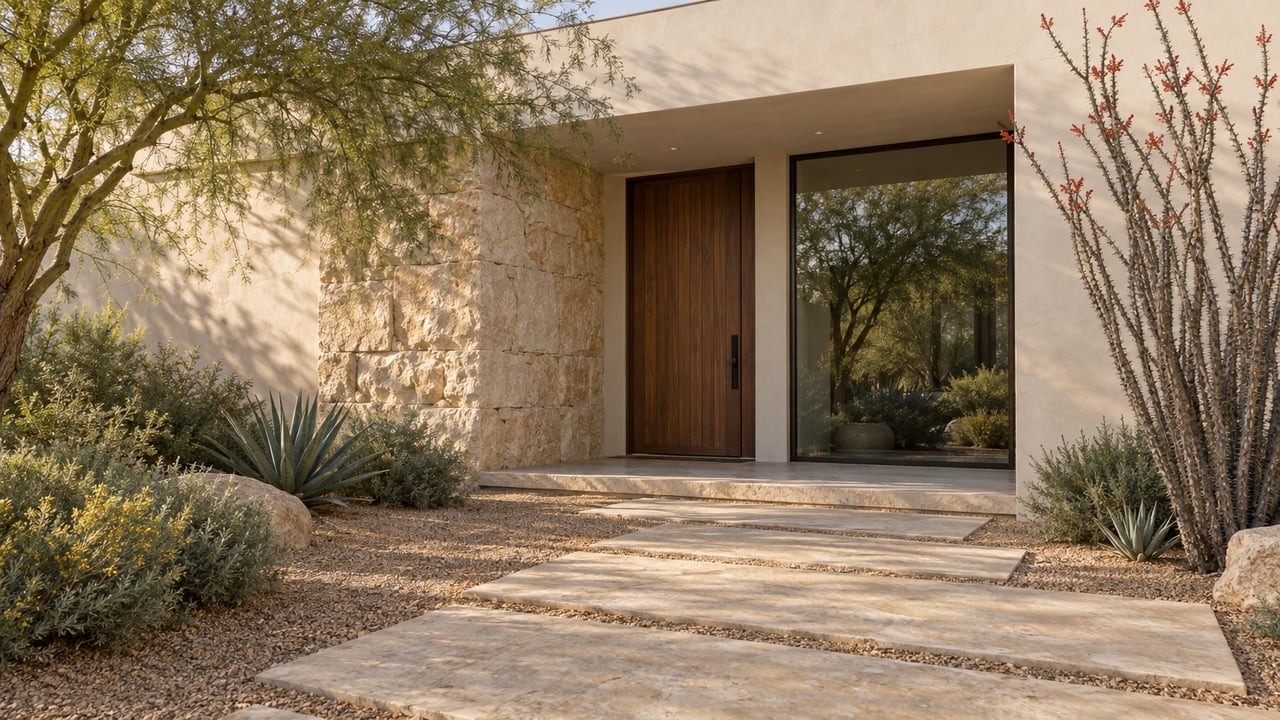
Stone Canyon Oro Valley Homes and Club Membership
August 6, 2026
August 6, 2026
Most buyers walk into a guard-gated golf community assuming the club dues are baked into the deed. They price the home, add a mandatory initiation, add annual fees, and decide whether the number works. That mental model is wrong for Stone Canyon, and getting it right changes what a serious buyer should actually be shopping for on this 1,400-acre parcel at the base of the Tortolita Mountains.
The short version: in Stone Canyon, the golf club and the real estate are two separate purchases. That decoupling reshapes the price band, the resale pool, and the negotiation. Buyers who understand it look at listings very differently than buyers who don't.
Stone Canyon Club was originally open only to property owners inside the gates. That is no longer how it works. The club opened its rolls, and today anyone willing to pay the fee can join without owning a home in the community.
The initiation is $20,000, fully refundable, and the club counts roughly 200-plus members, about 60% of whom live out of state.
Two things fall out of that structure. First, buying a home inside the guard gate does not obligate you to join the club, and joining the club does not require you to buy inside the gate. Second, the $20,000 refundable entry sits below the roughly $29,000 average initiation at private clubs across Tucson, which is unusual for a course that Golf Digest has ranked in the Top 100 nationally and currently ranks 7th in Arizona, with Golfweek naming it to the Top 200 Modern courses in the United States.
The practical read for a buyer: you are pricing a home, not a home-plus-club bundle. If you never touch a golf club, you are not subsidizing one through your mortgage. If you play three times a week, your club cost is a separate line item you can walk away from. That is a different transaction than the one most golf-community listings imply.
The MLS of Southern Arizona showed 46 active Stone Canyon listings as of early March 2026, with an average of 214 days on market, an average price of $722.15 per square foot, and a median list price of $1,387,500. Within the luxury tier, twelve listings carried a $2.79 million median. The spread inside those numbers is where the real information lives.
| Price band | What it typically represents | Typical footprint |
|---|---|---|
| Mid-$600Ks to ~$900K | Older or smaller homes, patio-style product in The Enclave at Stone Canyon | 2,000 to 2,600 sq ft, low-maintenance lots |
| ~$1M to $2M | Established custom homes, Stonegate and similar sub-communities | 3,000 to 4,300 sq ft, half-acre to one acre |
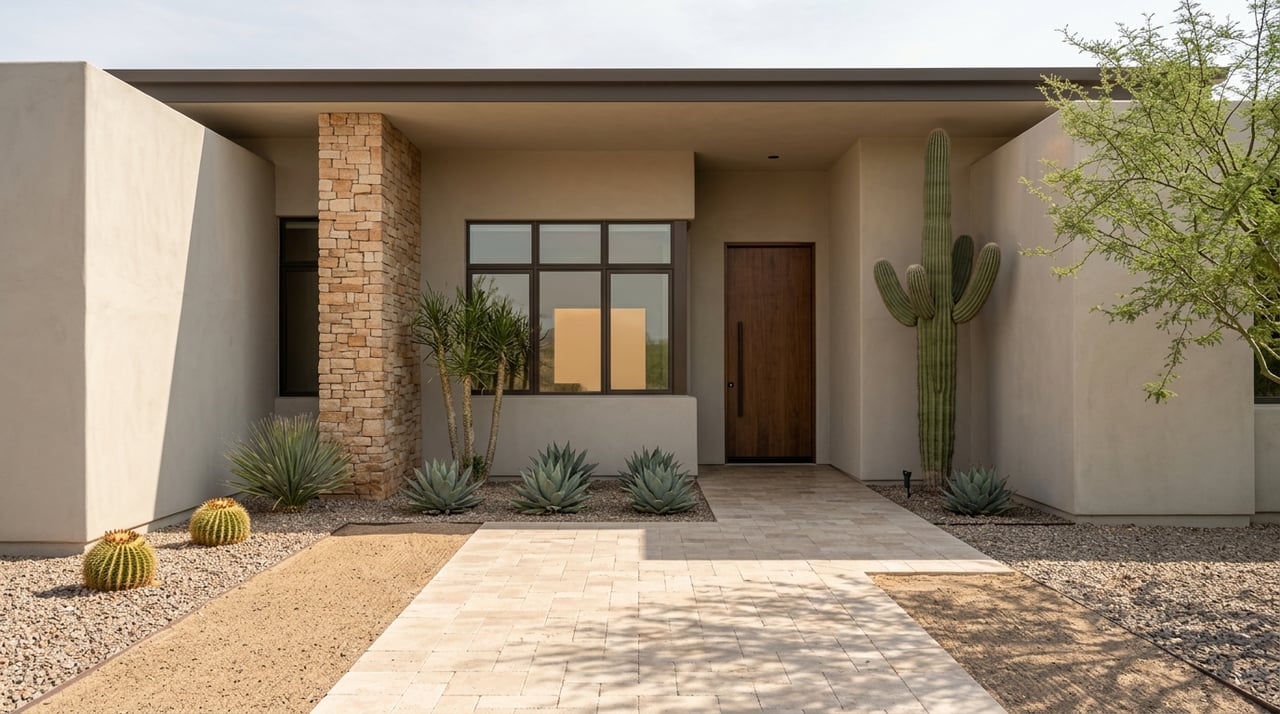
| $2M to $4M | Newer custom builds, view-corridor lots, Tuscan Estates | 4,000 to 5,500 sq ft, one to two acres |
| $4M and up | Architect-signed estates on premium golf-front or ridgeline sites | 5,000+ sq ft, one to five acres |
The active list right now bears this out. A 5,247-square-foot home on Tortolita Mountain Circle is asking $8.1 million on just over an acre. A 4,563-square-foot home on Granite Gorge Drive sits at $4.59 million. Meanwhile a 2,320-square-foot residence in The Enclave lists at $1.3 million. Same gate, same guard, same club access. Radically different assets.
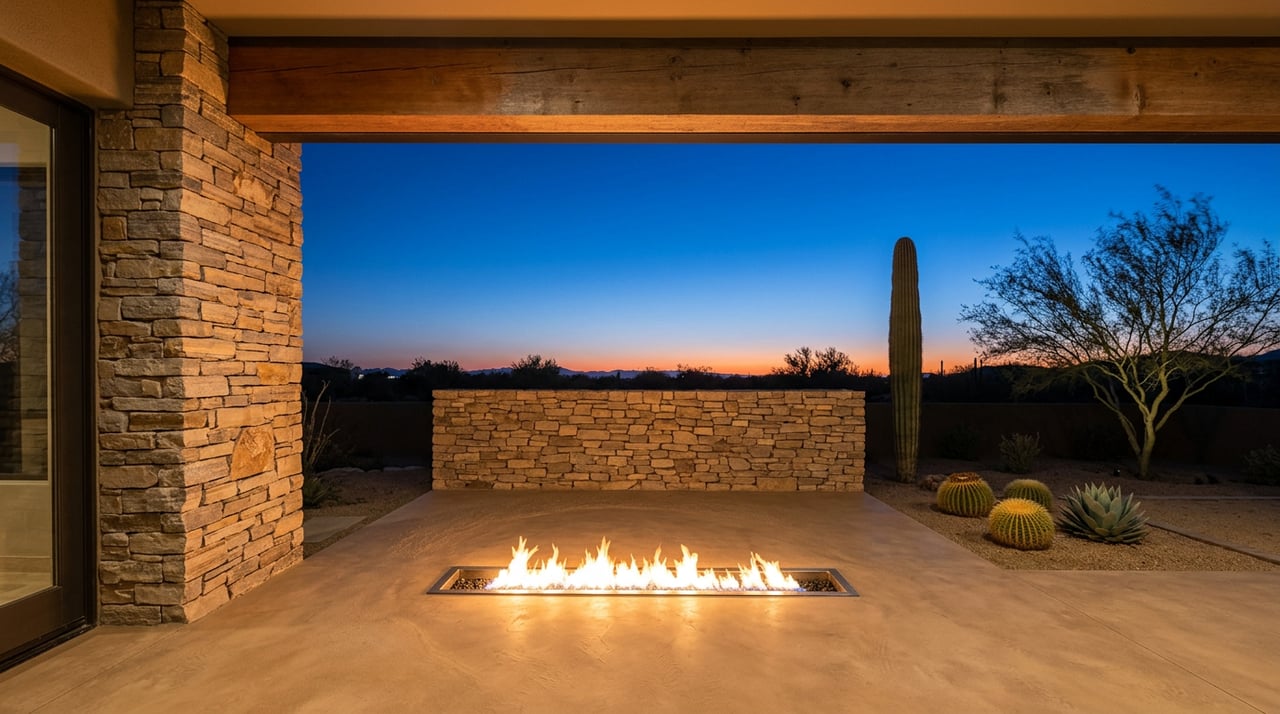
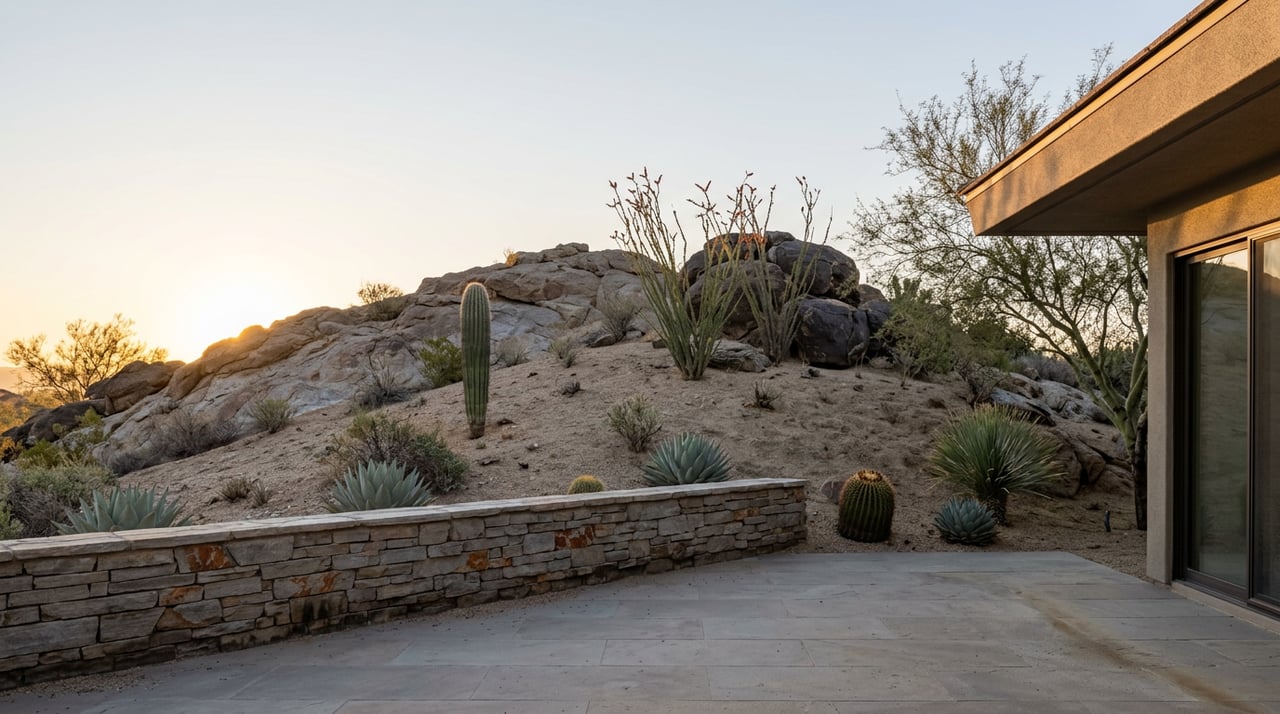
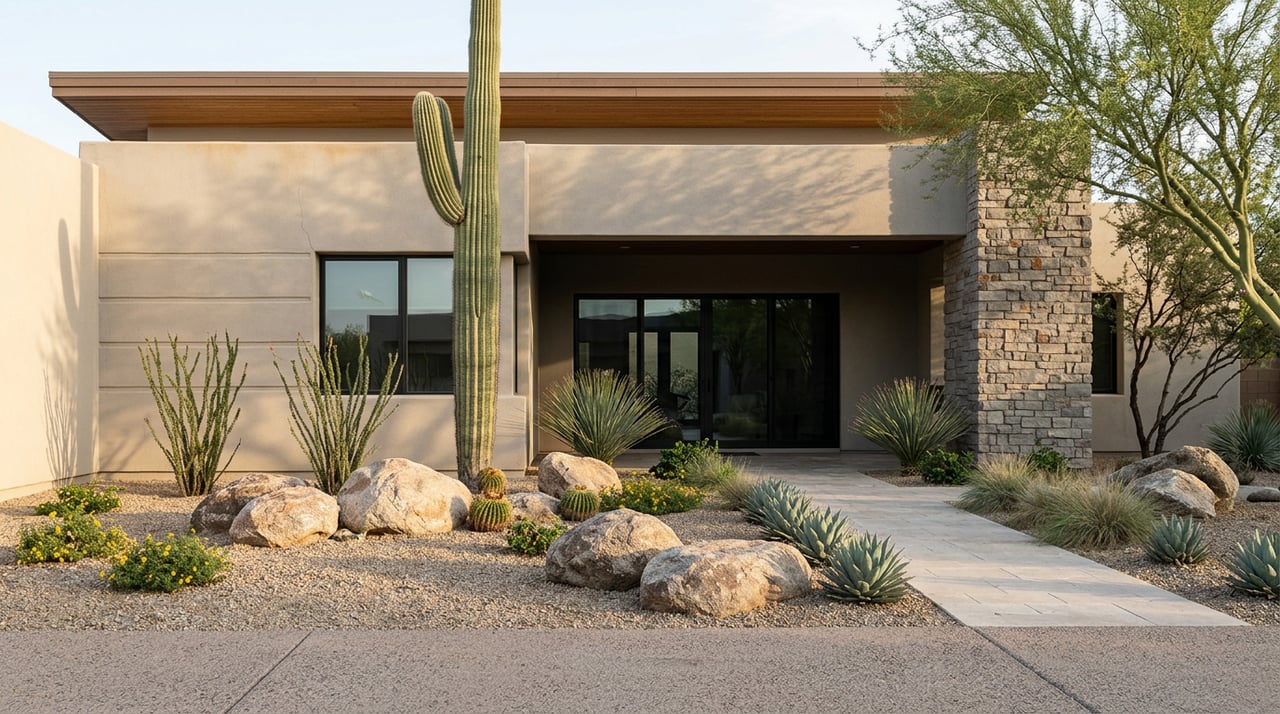
Jay Morrish designed the par-72, 7,317-yard course under an Arizona restriction that limits maintained turf to 90 acres. That forced him to route the course around granite outcrops and desert washes rather than pushing the terrain around. The same constraint shaped the residential lots. Buildable pads sit between boulders, ridgelines, and conservation easements, which is why lot area alone does not tell you what you are getting.
A few practical signals to read in a listing:
Architects whose work shows up repeatedly inside the gate include Ron Robinette, Marc Soloway working with R&B Construction, and Kevin B. Howard. Naming the architect on a resale is not marketing filler in this community; it materially moves the price.
Because the club draws roughly 60% of its membership from outside Arizona, and because the community itself skews toward second-home and lock-and-leave buyers, the local resale pool behaves differently than a typical Oro Valley subdivision. Days on market run long. That March 2026 average of 214 days is not a distress signal. It reflects a buyer pool that is national, seasonal, and unhurried.
For a buyer, the implication is negotiating room on homes that have sat through a full listing cycle, and patience on the sell side if you eventually list. For a seller, it means pricing to a national luxury audience rather than to Tucson comparables alone.
The moments that catch people off guard in a Stone Canyon closing are rarely about the home itself. They cluster around three specific items.
Club membership timing. The club is separately owned and operated, currently under a Phil Mickelson-led ownership group with Arcis Golf managing operations. Applying for membership, verifying transferability of any existing member's status, and confirming Arcis Access reciprocity across the broader Arcis portfolio all sit outside the real estate contract. Start early.
HOA and community documents versus club documents. These are two different sets of governing paper. The HOA governs the residential community. The club governs the golf, fitness, and dining amenities. Buyers who conflate them during due diligence find surprises after close.
Custom home lot files. For homesite purchases and new builds, the folder that matters includes soils reports, view-corridor easements, boulder protection covenants, and architectural review submittals. On a hillside lot with granite outcrops and mature saguaros, what you can and cannot move is a real constraint on your floor plan.
The reflex comparison for most luxury buyers is Catalina Foothills. The two markets serve different priorities. Foothills homes sit closer to Tucson's restaurants, medical centers, and the University of Arizona campus. Stone Canyon sits farther out, roughly 25 minutes from the University, 30 to 35 minutes from Tucson International Airport, and 10 to 15 minutes from El Conquistador Tucson, A Hilton Resort. What Stone Canyon offers in return is terrain the Foothills cannot replicate: mountain enclosure, private conservation frontage, and lot sizes that support one to five-acre estates.
A buyer choosing between the two is really choosing between proximity and terrain. The dollar figures on the two portals will look similar. What they buy at that dollar figure is not.
Do I have to join Stone Canyon Club if I buy a home inside the gates? No. The club and the community are separate. Homeowners pay HOA dues, and club membership is a distinct optional decision with its own $20,000 refundable initiation.
Why do Stone Canyon listings sit on the market so long? The buyer pool is national and seasonal, and the inventory is genuinely differentiated by lot and architect rather than by tract-home comparables. A 214-day average days on market in early 2026 reflects a considered luxury market, not a weak one.
Is a golf-front lot always worth the premium? Not automatically. Holes 10 and 17 carry recognized view premiums. Other golf-adjacent lots may sit below cart paths or lack the mountain backdrop that drives resale value. The lot walk matters more here than in most communities.
Buying well inside Stone Canyon is a lot-first decision made by someone who understands that the club is an optional layer on top of the real estate, not part of it. If you are weighing a purchase in this community, or thinking about how to position a Stone Canyon home for a national buyer pool, Dan Leonard and the team at Net Properties Real Estate would be glad to walk the specific listings, phases, and view corridors with you. Request a call back when you are ready.
Stay up to date on the latest real estate trends.